
The Omega Architecture: A Masterclass in Structural Metallurgy
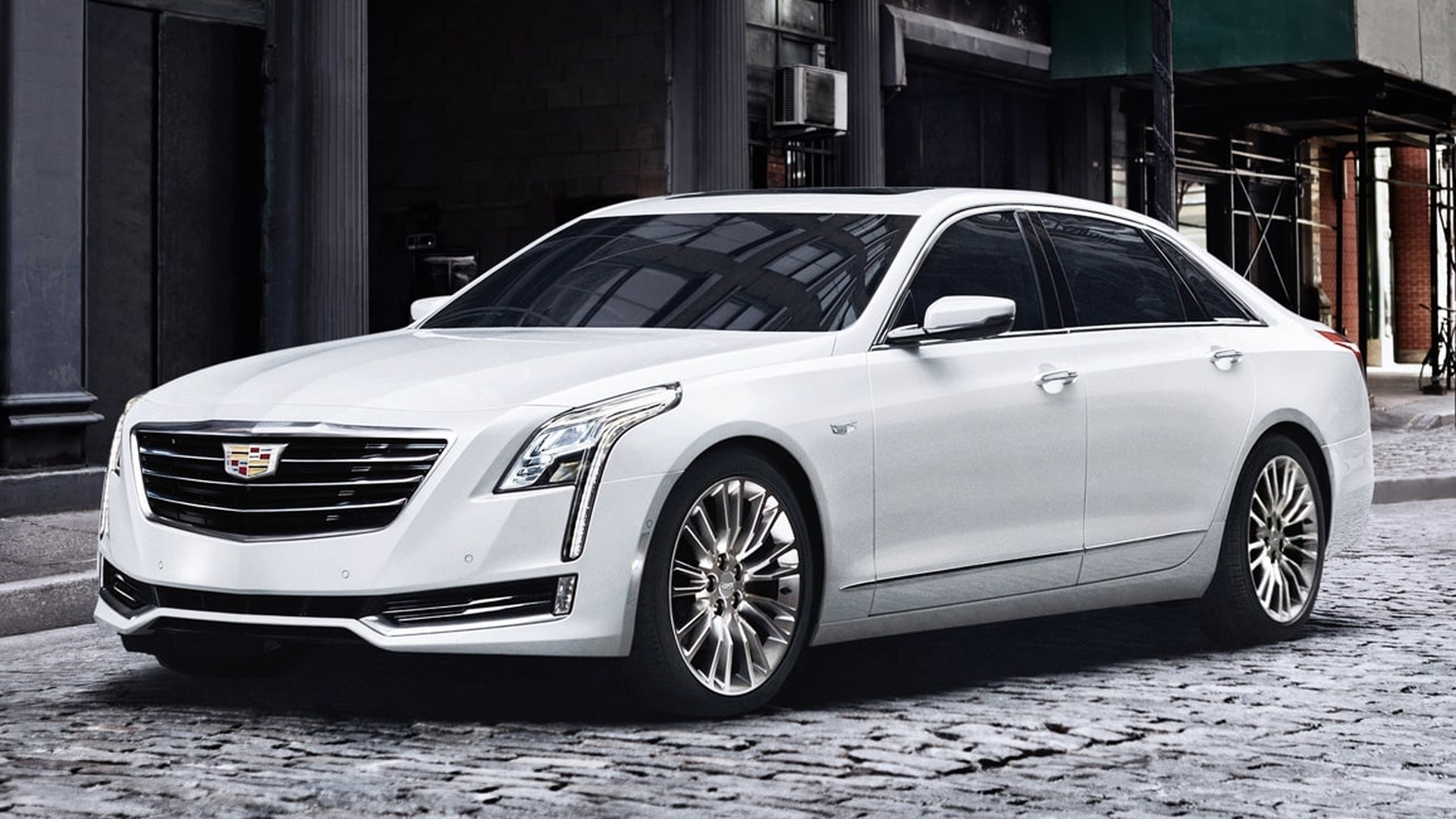
General Motors recognized that directly attacking established German executive sedans required an entirely new mechanical paradigm. Building a heavy, lumbering land yacht was no longer an acceptable strategy. To achieve absolute dynamic superiority, engineers developed the dedicated, rear-wheel-drive-biased Omega architecture. This platform represents a massive technological leap in automotive metallurgy, utilizing a highly complex mixed-material unibody specifically engineered to shed hundreds of pounds of dead weight while exponentially increasing torsional rigidity.
Structural metallurgists executed an aluminum-intensive strategy. The Omega chassis utilizes 13 highly complex, high-pressure aluminum die castings in the lower body structure, effectively replacing over 30 individual stamped steel components. This aggressive consolidation drastically reduces mass and entirely eliminates heavy mechanical fasteners. During the robotic assembly process, the factory deploys over 600 feet of aerospace-grade structural adhesive along the primary chassis seams, supplemented by highly advanced laser welding techniques. The resulting framework allows the massive Cadillac CT6 to weigh less than a significantly smaller BMW 5 Series, fundamentally altering its kinetic response on the asphalt. Because the core chassis completely refuses to flex under heavy lateral cornering, the independent suspension components can execute their geometries with mathematical perfection.
Kinematic Mastery: Active Rear Steering and Magnetic Ride
To physically mask the long wheelbase and provide the driver with immediate, unfiltered feedback, Cadillac engineers deployed a sophisticated Active Rear Steering system. An electric actuator mounted to the rear subframe physically turns the rear wheels up to 3.5 degrees. At low urban speeds, the rear wheels turn in the opposite direction of the front tires, drastically shrinking the turning radius and allowing the massive sedan to maneuver through tight parking structures like a compact vehicle. At high highway velocities, the rear wheels steer in phase with the front tires. This physical action executes incredibly smooth, lateral lane changes, completely neutralizing the terrifying fishtail sensation that plagues traditional full-size cruisers during emergency evasive maneuvers.
To control the vertical body motions, the CT6 utilizes General Motors' crown jewel: Magnetic Ride Control. The physical shock absorbers discard traditional valving entirely. Instead, they contain a specialized magneto-rheological fluid filled with microscopic iron particles. High-speed optical and gyroscopic sensors read the road surface topography up to 1,000 times per second. The central suspension computer applies a precisely calculated electromagnetic charge to the damper coils, instantly altering the physical viscosity of the fluid. The system aggressively stiffens the outside shocks during tight canyon hairpins to physically crush severe body roll, then softens them completely the exact millisecond the vehicle returns to broken urban pavement.
Atmospheric and Forced Induction V6 Powertrains
While early base models offered a highly efficient 2.0-liter turbocharged inline-four, the true mechanical core of the CT6 lineup relies on advanced V6 propulsion. The naturally aspirated 3.6-liter LGX V6 generates 335 horsepower, utilizing high-pressure direct fuel injection and continuously variable valve timing to provide a deeply visceral exhaust note and linear power delivery.
Buyers demanding superior kinetic thrust opted for the highly advanced 3.0-liter LGW Twin-Turbo V6. Engineers bolted two low-inertia turbochargers directly to the cylinder heads, entirely eliminating the turbo lag associated with long exhaust manifold routing. The compressor wheels force highly pressurized atmospheric air through specialized liquid-to-air intercoolers, stripping immense thermal heat away from the oxygen charge before it slams into the forged aluminum pistons. This mechanical violence generates 404 horsepower, routing torque through an advanced Active On-Demand AWD transfer case that continuously vectors power across the front and rear axles based on real-time tire slip telemetry.
3.0L LGW Twin-Turbo V6 Specifications
- Engine Block Architecture
- 60-degree V6, Cast Aluminum Block and Heads
- Displacement
- 2990 cm3
- Aspiration
- Twin Turbochargers with Liquid-to-Air Intercooling
- Peak Horsepower
- 404 hp @ 5,700 RPM
- Peak Torque
- 400 lb-ft @ 2,500 - 5,100 RPM
The Blackwing V8: A Hand-Built Mechanical Masterpiece
To secure absolute dominance in the executive segment, Cadillac unleashed a bespoke, highly exclusive powerplant: the 4.2-liter Twin-Turbo Blackwing V8 (LTA). This engine represents a total departure from traditional General Motors pushrod architecture. Featuring dual overhead camshafts and a highly sophisticated "Hot-V" configuration, designers physically moved the twin-scroll turbochargers from the outside of the engine block directly into the valley between the cylinder heads.
This incredibly compact packaging drastically shortens the physical distance the exhaust gases must travel to reach the turbine blades, resulting in instantaneous, terrifyingly aggressive throttle response. Placing the catalytic converters close to the thermal core also ensures lightning-fast light-off times, drastically reducing tailpipe CO2 emissions during cold starts. A single master engine builder hand-assembled every single Blackwing V8 at the specialized Performance Build Center in Bowling Green, Kentucky, physically signing a personalized plaque bolted directly to the supercharger housing. Generating a brutal 550 horsepower, this engine transforms the CT6 into a predatory grand tourer capable of outrunning dedicated European sports cars.
4.2L LTA Blackwing V8 Specifications (CT6-V)
- Engine Architecture
- 90-degree V8, Aluminum Block, Hot-V Configuration
- Displacement
- 4192 cm3
- Aspiration
- Twin-Scroll Turbochargers inside Engine Valley
- Peak Horsepower
- 550 hp @ 5,700 RPM
- Peak Torque
- 640 lb-ft @ 3,200 - 4,000 RPM
- Transmission
- Heavy-Duty 10L90 10-Speed Automatic
Autonomous Dominance: The Birth of Super Cruise
The Cadillac CT6 served as the foundational launch platform for Super Cruise, the automotive industry's first true hands-free driving technology for the highway. Unlike competing systems that rely solely on forward-facing optical cameras and radar to blindly follow the lane markers, Super Cruise utilizes highly precise LiDAR map data. Engineers physically mapped hundreds of thousands of miles of divided interstate highways utilizing highly advanced laser scanners. The CT6 downloads this rich topological data via a high-speed cellular connection, matching it against real-time precision GPS tracking.
The digital vehicle knows exactly where the curves and elevation changes are located miles before the optical cameras can see them. To guarantee absolute safety, a specialized infrared camera mounted directly on the steering column continuously actively tracks the driver's eye position and head angle. If the ECU determines the pilot is not physically watching the road, the system issues visual and haptic alerts through the steering wheel before systematically bringing the vehicle to a controlled, autonomous halt. This system allows drivers to cross entire continents completely hands-free, radically reducing severe driver fatigue on cross-country journeys.
The integration of Super Cruise completely rewrote the rules of digital driver assistance. By combining geofenced LiDAR map data with rigorous driver attention tracking, Cadillac safely executed hands-free autonomy years ahead of its primary competitors.
Acoustic Serenity and the Panaray Symphony
Cadillac acoustic engineers approached the CT6 cabin as a dedicated sound studio. They deployed thick, acoustic-laminated glass on the windshield and side windows to aggressively combat severe wind rush at high speeds. Engineers packed the hollow unibody pillars with expanding acoustic foam baffles to completely mute high-frequency tire roar. This rolling sensory deprivation chamber provided the perfect acoustic environment for the highly exclusive Bose Panaray audio system.
Discarding traditional automotive speaker layouts, the Panaray system utilizes 34 individually amplified speakers strategically hidden throughout the cabin. Engineers borrowed line-array technology directly from professional concert hall acoustics, utilizing tightly clustered groupings of small, highly precise directional speakers to completely envelop the occupants in a rich, perfectly balanced soundstage. Heavy-duty subwoofers integrated directly into the front floorboards deliver visceral, chest-compressing bass without causing the interior door panels to vibrate or rattle.
The CT6-V: The High-Performance Swansong
To maximize the kinetic potential of the Blackwing V8, Cadillac released the highly exclusive CT6-V. This model violently disrupted the grand touring formula, transforming the relaxed cruiser into a terrifyingly fast apex predator. Engineers deployed the heavy-duty 10L90 10-speed automatic transmission, utilizing extremely tight gear spacing to keep the twin-turbo V8 locked permanently within its massive torque curve. The chassis received heavily upgraded Brembo braking hardware, featuring massive ventilated rotors designed to fight severe thermal fade during sustained aggressive driving.
The AWD system received specific track-focused software calibration, allowing the vehicle to aggressively vector torque to the rear wheels to induce controlled oversteer when the driver demanded it. The exterior rejected bright chrome ornamentation entirely, utilizing stealthy, gloss-black mesh grilles and carbon fiber aerodynamic elements to visually telegraph its elite mechanical status.
The Global Strategy and Enduring Legacy
The Cadillac CT6 successfully executed a highly complex strategic mission. It proved definitively that an American OEM could engineer a highly intelligent, intensely capable executive sedan that fundamentally out-handled its heavy European rivals. The vehicle pioneered groundbreaking autonomous telemetry with Super Cruise and delivered a masterpiece of internal combustion with the Blackwing V8.
While General Motors officially ceased North American production of the CT6 in early 2020 to aggressively expand its highly profitable electric vehicle and SUV portfolio, the sedan continued to thrive in the Chinese market, where executive sedans remain in massive demand. The legacy of the CT6 is permanently etched into the foundation of modern automotive engineering. The lightweight metallurgical strategies and the autonomous Super Cruise architecture developed specifically for this flagship now form the unshakeable technological backbone for the entire next generation of the Cadillac vehicle portfolio.