
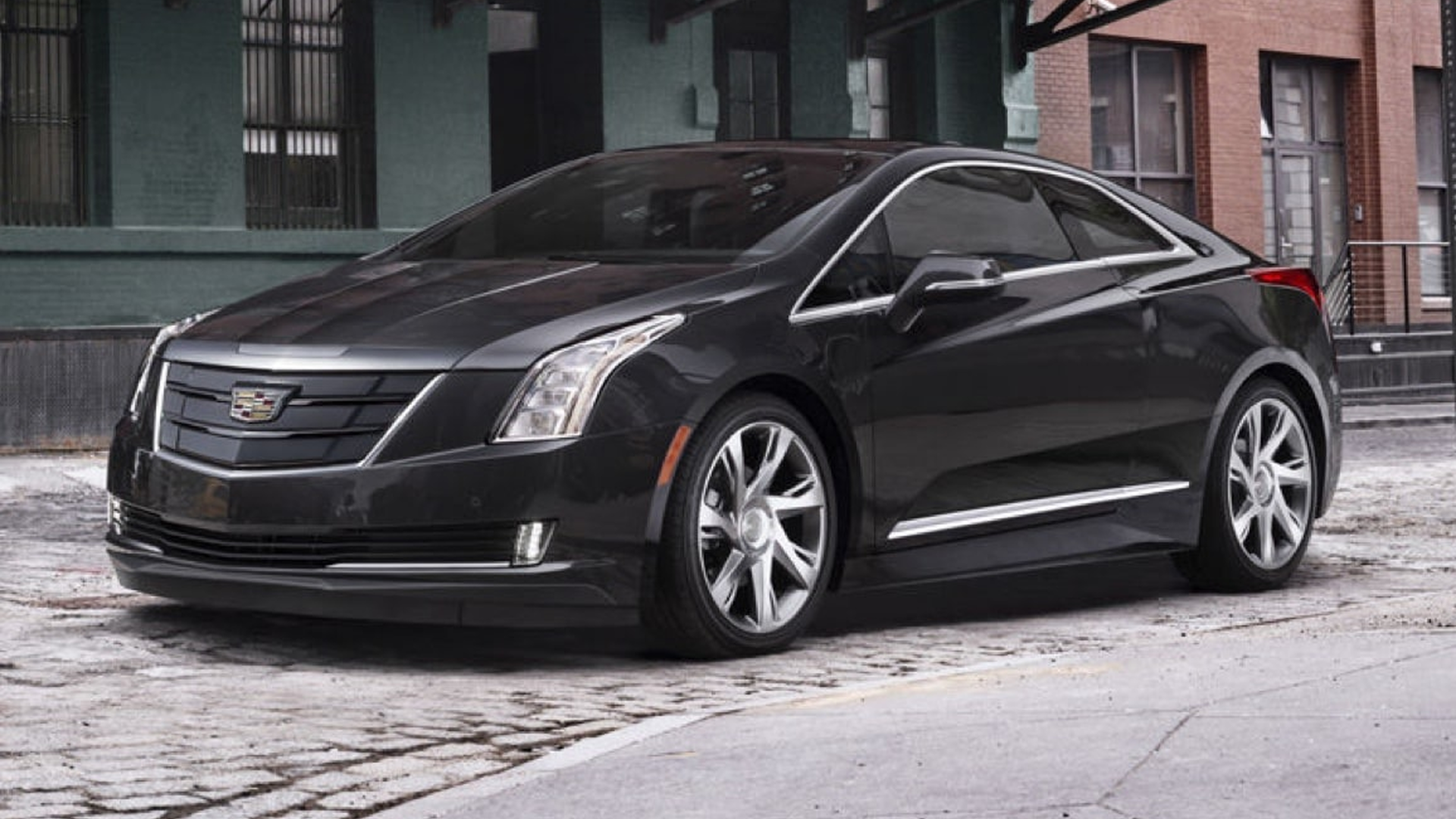
The Converj Materialized: A Study in Uncompromised Design
The Cadillac ELR bypassed the traditional, heavily diluted path from concept car to production vehicle. When the Cadillac Converj concept debuted at the 2009 North American International Auto Show, it dominated global automotive media with its aggressive, razor-sharp interpretation of the brand's Art and Science design philosophy. The public demanded a production variant. General Motors engineers accepted the challenge, meticulously adapting the complex sheet metal to fit a modified, front-wheel-drive Delta II architecture. The resulting production ELR retained the concept's dramatic wedge profile, massive 20-inch alloy wheels, and microscopic panel gaps, executing a visual aesthetic that completely dwarfed its competitors in the compact premium segment.
To support this dramatic exterior, structural engineers heavily reinforced the core unibody. Because the vehicle carried a massive high-voltage battery pack down its center spine, the chassis required immense torsional rigidity to prevent unwanted flex during heavy cornering. Metallurgists deployed extensive quantities of advanced high-strength steel throughout the rocker panels and the passenger safety cage. During the robotic assembly process at the Detroit-Hamtramck facility, the factory applied hundreds of feet of structural adhesive along the primary weld seams. This aerospace-inspired dual-bonding technique drastically increased the overall stiffness of the unibody shell, providing the absolute mechanical foundation required for authentic luxury suspension dynamics.
Voltec Propulsion: Eliminating Range Anxiety
The ELR fundamentally rejects the severe highway range anxiety historically associated with early pure battery electric vehicles. It utilizes a highly advanced EREV powertrain architecture, branded internally as Voltec. The physical layout consists of a massive, T-shaped lithium-ion battery pack integrated directly into the center tunnel and beneath the rear seats, paired with a dual-motor electric drive unit and an onboard 1.4-liter gasoline internal combustion generator.
During everyday urban driving, the ELR operates entirely as a zero-emission electric vehicle. The primary electric traction motor pulls high-voltage direct current from the 16.5-kWh battery pack (upgraded to 17.1-kWh for the 2016 model year), converting it through a heavy-duty inverter to generate immediate, silent thrust. When the high-voltage battery depletes to a predetermined minimum state of charge, the vehicle seamlessly executes a mechanical transition. The 1.4-liter gasoline engine automatically fires up. However, under most driving conditions, this internal combustion engine does not physically drive the front wheels. Instead, it spins the secondary electric motor, operating entirely as a mobile power station to generate electricity on the fly. This electricity routes directly to the primary traction motor, allowing the ELR to continue its cross-country journey uninterrupted until the pilot refuels the gasoline tank.
The Voltec planetary gearset represents a masterpiece of mechanical routing. At sustained interstate highway speeds, a hydraulic clutch pack can physically lock the gasoline generator to the transaxle, blending mechanical and electrical propulsion to maximize overall powertrain efficiency and eliminate severe high-speed energy losses.
The 2016 Mechanical Overhaul: Unlocking V8-Level Torque
Cadillac skipped the 2015 model year entirely, allowing engineers time to heavily recalibrate the ELR's performance metrics. The 2014 launch model, while visually stunning, lacked the aggressive kinetic thrust expected of a high-end luxury coupe. The 2016 model year executed a violent mechanical correction. Software engineers rewrote the battery management algorithms, safely unlocking higher peak discharge rates from the lithium-ion cells. They simultaneously optimized the electric drive unit to handle increased amperage.
This digital recalibration yielded massive physical results. Total system output jumped to 233 horsepower, but the critical metric was the torque curve. The 2016 ELR produced a staggering 373 lb-ft of instantaneous torque, eclipsing the twist generated by many naturally aspirated V8 engines of the era. This newfound mechanical violence slashed the zero to 60 mph sprint to just 6.4 seconds. To complement this thrust, engineers heavily retuned the electric power steering system in Sport mode, providing a heavily weighted, highly communicative steering feel that directly transmitted the physical limits of the front tires to the driver's hands.
2016 Voltec Powertrain Specifications
- Drive Architecture
- Front-Wheel Drive, Dual-Motor Voltec Drive Unit
- Battery Capacity
- 17.1-kWh Lithium-Ion (T-Shaped, Liquid Cooled)
- Onboard Generator
- 1.4L EcoFLEX LUU Inline-4 (Gasoline)
- Peak System Horsepower
- 233 hp
- Peak System Torque
- 373 lb-ft
- Electric-Only Range
- Approx. 39 miles
- Total Combined Range
- 340 miles
Suspension Kinematics: HiPer Strut and Continuous Damping
Managing nearly 400 lb-ft of instantaneous electric torque entirely through the front wheels typically induces terrifying torque steer, violently ripping the steering wheel from the pilot's hands under heavy acceleration. To completely neutralize this physical threat, Cadillac engineers discarded standard suspension geometry and deployed the highly advanced HiPer Strut front suspension. This specialized MacPherson strut variant physically isolates the steering knuckle from the shock absorber. By creating a separated, dual-pivot axis, the geometry drastically reduces the spindle length and scrub radius. The front tires track perfectly straight under maximum throttle, entirely preserving steering purity.
The rear architecture relies on a specialized Watts Z-link suspension. A heavy-duty steel cross-member physically connects the left and right rear wheels through a central pivot point. When the driver throws the heavy coupe into a sharp apex, the lateral forces applied to the outside wheel push through the Z-link to apply an equal and opposite force to the inside wheel, keeping the rear axle perfectly centered and glued to the asphalt.
Isolating the cabin from broken urban infrastructure falls to the Continuous Damping Control (CDC) system. The physical shock absorbers utilize specialized electronic valving. Optical and gyroscopic sensors read the road surface topography every two milliseconds. The central suspension computer instantly alters the hydraulic fluid flow within the dampers, aggressively stiffening the outside shocks during heavy cornering to crush severe body roll, and softening them entirely to absorb harsh bridge expansion joints.
Kinetic Recovery: Regen on Demand
Shedding the massive kinetic energy of a 4,000-pound battery-laden coupe requires heavy-duty friction brakes, but Cadillac engineers prioritized energy reclamation. The ELR features standard regenerative braking, which reverses the polarity of the electric traction motor to act as a generator during deceleration, capturing waste energy and forcing it back into the high-voltage battery. To grant the driver absolute control over this physical process, Cadillac introduced Regen on Demand.
The steering wheel features solid magnesium paddles mounted precisely where a traditional sports car houses transmission shifters. Pulling and holding the left or right paddle engages maximum regenerative braking software. The vehicle aggressively decelerates without the driver ever touching the physical brake pedal, entirely simulating the aggressive engine-braking sensation of a downshifted manual transmission. This allows the pilot to precisely scrub speed entering a tight canyon corner while simultaneously extending the vehicle's electric driving range.
Aerodynamic Sculpting and Active Thermal Management
Every sharp crease on the ELR serves a distinct aerodynamic purpose, actively manipulating the high-speed slipstream to reduce atmospheric drag. The massive vertical LED light blades slice through the darkness while physically acting as air curtains, guiding turbulent wind smoothly past the front tires. The extremely aggressive rake of the windshield and the sharp, functional trailing edge of the trunk lid neutralize the massive low-pressure drag wake that typically ruins highway efficiency.
The front fascia utilizes an active aero grille. At low speeds or during heavy thermal loads, computer-controlled mechanical shutters open to feed ambient air directly into the multiple cooling radiators. At highway velocities, when aerodynamic drag becomes the primary enemy of battery efficiency, the shutters snap completely closed, forcing air over the smooth hood to create a highly efficient aerodynamic shield.
Thermal management dictates battery lifespan. The ELR utilizes a highly complex liquid heating and cooling circuit circulating directly through the 288 individual prismatic lithium-ion cells. If the ambient temperature plummets below freezing, the system actively warms the coolant to prevent severe voltage drops. During aggressive canyon driving in the extreme desert heat, the system chills the fluid to prevent catastrophic thermal runaway, guaranteeing consistent power delivery in absolute extremes.
Bespoke Interior Craftsmanship and Acoustic Serenity
The interior architecture of the ELR completely abandons shared corporate parts, executing a masterclass in bespoke 2+2 grand touring luxury. Designers layered the cabin in authentic, premium materials. The seats are wrapped in hand-cut-and-sewn Opus semi-aniline leather, offering supreme softness and breathability. Genuine, open-pore wood veneers or highly lacquered carbon-fiber weaves anchor the door panels and center console. A premium microfiber suede headliner spans the entire roof, absorbing high-frequency soundwaves.
Electric vehicles naturally lack the masking noise of an internal combustion engine, exposing occupants to harsh tire roar and wind rushing. Cadillac acoustic engineers approached the cabin as a dedicated sound studio. They deployed extremely thick acoustic-laminated front and side window glass. Copious amounts of liquid-applied sound deadener fill the hollow unibody pillars. The primary digital defense relies on the Bose active audio system, which utilizes microphones embedded in the headliner to detect resonant low-frequency droning. The digital signal processor instantly analyzes these offending soundwaves and commands the door speakers to broadcast precise, opposing acoustic frequencies, physically neutralizing the harsh noise before it ever reaches the human ear.
Volumetric and Physical Metrics
- Overall Length
- 186.0 inches
- Overall Width
- 72.7 inches
- Curb Weight (2016)
- 4,050 lbs
- Coefficient of Drag (Cd)
- 0.30
- Passenger Capacity
- 4 (2+2 Configuration)
The Digital Command Center: CUE and Telemetry
The dashboard focuses entirely around the Cadillac User Experience (CUE) infotainment system. Discarding traditional analog buttons, the interface utilizes an 8-inch high-resolution touchscreen and a capacitive-touch control panel below it. The system features advanced haptic feedback, providing a physical, localized pulse to the user's fingertip to confirm a digital command had been registered without requiring the driver to look away from the road. Pressing a hidden switch causes the entire climate control faceplate to motor upward, exposing a secret, rubberized storage cubby with a dedicated USB port, perfectly sized for securing digital devices out of sight.
The primary driver interface abandons physical needles for a highly configurable digital gauge cluster. The high-definition screen constantly communicates critical EV telemetry, including real-time power flow, precise battery state-of-charge percentages, and a dynamic efficiency coach that trains the pilot to maximize kinetic recovery during braking events.
The Pricing Paradox and Enduring Legacy
The engineering brilliance of the Cadillac ELR was tragically overshadowed by a highly controversial corporate pricing strategy. Launching with a base MSRP exceeding $75,000, the vehicle occupied a dangerous financial tier, competing directly against highly established, traditional high-performance sports cars and the emerging threat of the Tesla Model S. Buyers struggled to justify the extreme premium for an extended-range coupe, regardless of its bespoke interior or stunning sheet metal. Consequently, production volumes remained exceedingly low throughout its brief lifecycle.
However, time provides absolute clarity. Removed from the intense scrutiny of its initial pricing blunder, the ELR stands today as a fascinating, highly engineered piece of American automotive history. It represents a bold era where designers were allowed to push a radical concept car directly to the factory floor without diluting its aggressive visual impact. The flawless integration of the Voltec powertrain into a genuine luxury chassis proves the inherent capability of General Motors engineering. As the industry marches inevitably toward full electrification, the extremely rare Cadillac ELR secures its permanent position as a highly collectible, visually stunning pioneer of the premium plug-in segment.