
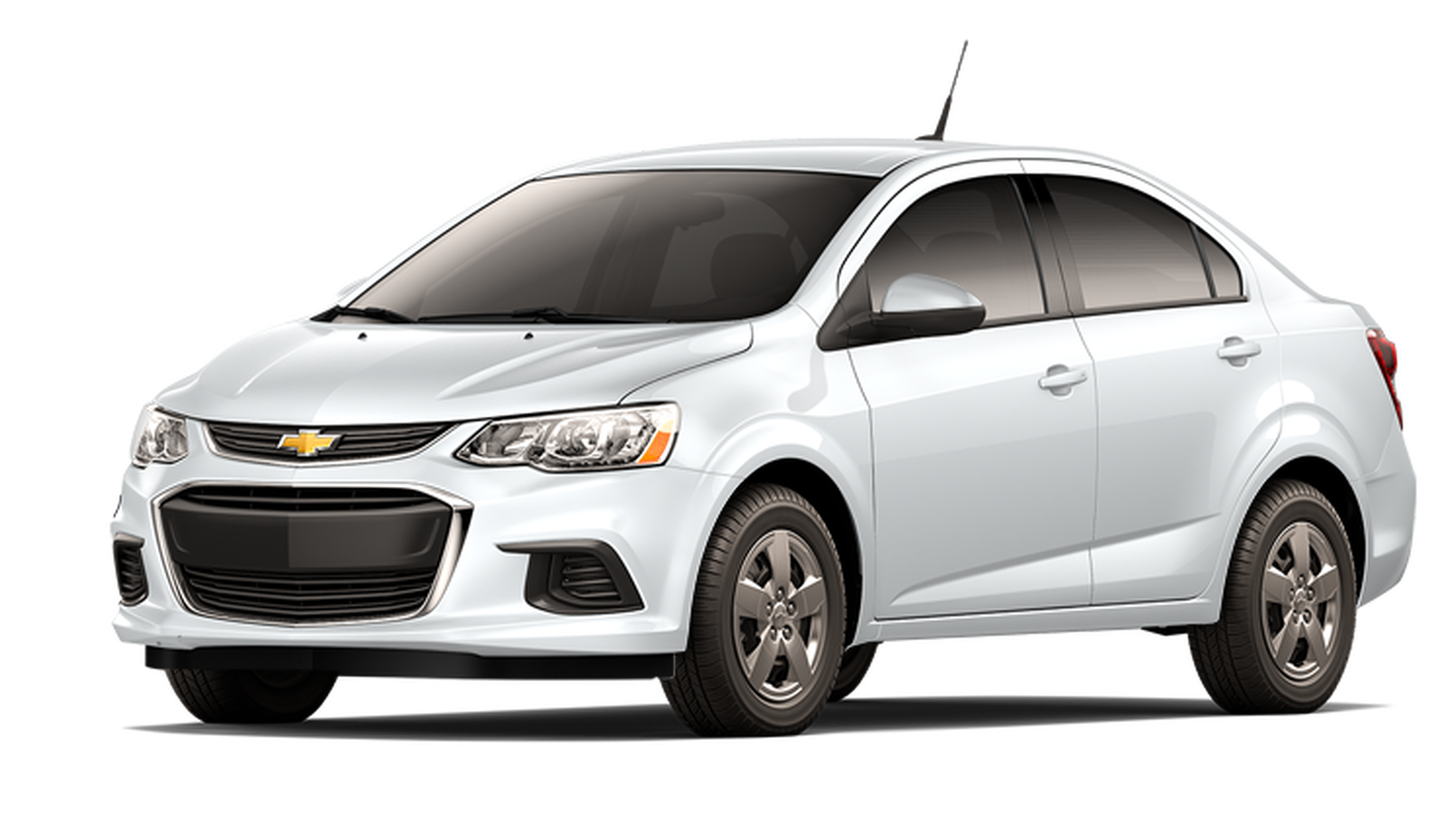
A Subcompact Born of Global Necessity
General Motors faced a critical crisis at the dawn of the 21st century: the absolute evaporation of a viable entry-level subcompact car. The Geo Metro had faded into obscurity, leaving a massive void in the bottom of the American lineup. Instead of engineering a completely new vehicle from the ground up, executives looked across the Pacific. They leveraged their recent acquisition of the bankrupt South Korean automaker Daewoo. The Daewoo Kalos, an existing global platform, received a hasty corporate makeover, a prominent gold bowtie on the grille, and landed in North American showrooms for the 2004 model year as the Chevrolet Aveo.
This maneuver was a masterclass in rapid product deployment. Chevrolet instantly possessed a highly competitive subcompact that undercut rivals on sticker price while offering surprising interior volume. It wasn't built to dominate the drag strip; it was engineered to provide honest, economical transportation for college students, budget-conscious commuters, and urban dwellers needing a small footprint.
The T200 Architecture and Chassis Rigidity
Beneath the sheet metal, the first-generation Aveo utilized the GM Daewoo T200 platform. This architecture relied heavily on traditional, proven manufacturing techniques rather than cutting-edge, expensive composites. The core structure featured a high-strength steel passenger safety cage, but the overall curb weight remained astonishingly low, hovering around 2,300 pounds.
Suspension engineers opted for a highly space-efficient layout to maximize cabin volume. The front end featured independent MacPherson struts with coil springs and a direct-acting stabilizer bar to keep the front end planted during sudden lane changes. The rear utilized a semi-independent torsion beam axle.
"By utilizing a compact rear torsion beam rather than a fully independent multi-link setup, we carved out several crucial inches of cargo capacity and rear legroom without drastically compromising urban ride quality." - GM Daewoo Engineering Archive
This suspension geometry produced a ride biased heavily toward absorbing aggressive city potholes rather than carving canyon apexes. The short wheelbase allowed the car to rotate quickly in tight parking structures, but it required the driver to remain attentive during high-speed highway crosswinds.
First-Generation Powertrain: The E-TEC II
Propulsion for the early US-market Aveo came exclusively from a naturally aspirated 1.6-liter inline four-cylinder engine known internally as the E-TEC II. Built with a heavy, durable cast-iron block and an aluminum cylinder head, this engine prioritized longevity over refined acoustics. It utilized a dual overhead camshaft (DOHC) design with four valves per cylinder.
- Engine Family
- 1.6L E-TEC II (L91)
- Displacement
- 1,598 cm3
- Peak Output
- 103 HP @ 6,000 RPM
- Peak Torque
- 107 lb-ft @ 3,600 RPM
- Fuel Delivery
- Multi-port sequential fuel injection
This powerplant transmitted energy to the front wheels through two available gearboxes. The standard offering was a D20 five-speed manual transmission featuring a relatively long throw but engaging clutch feel. Drivers facing heavy gridlock could specify an Aisin 81-40LE four-speed automatic. The automatic featured a "Hold" button, an early form of manual gear selection that prevented the transmission from hunting between gears on steep inclines or in deep snow.
Italian Design Roots: The Hatchback and Sedan
Chevrolet offered two distinct body styles to capture different buyer demographics. The five-door hatchback possessed genuinely striking lines, penned originally by Giorgetto Giugiaro at Italdesign. The tall roofline and sharply truncated rear end gave it a European, utilitarian aesthetic. It swallowed bulky cargo effortlessly once the 60/40 split-folding rear seats dropped flat.
The four-door sedan appealed directly to traditional American sensibilities. It grafted a conventional trunk onto the rear of the vehicle, stretching the overall length and altering the aerodynamic profile. While it lost the ultimate cargo flexibility of the hatch, the sedan offered a secure, locked storage area preferred by many urban commuters. Both variants shared the same aggressive, swept-back headlamps and prominent wheel arches that attempted to mask the narrow track width.
The T250 Evolution: Refining the Formula
Chevrolet realized the bare-bones approach required polishing to compete with emerging threats from Honda and Toyota. For the 2007 model year (2009 for the hatchback), the Aveo received a massive structural and visual overhaul, transitioning to the T250 generation.
Designers completely resculpted the front fascia. The sedan received a massive, prominent split grille that aligned its visual identity with the larger Malibu and Impala. The interior underwent a dramatic transformation. Hard, shiny plastics vanished, replaced by low-gloss, textured materials that felt significantly more premium. The asymmetrical instrument cluster glowed with a modern green hue, and designers integrated auxiliary input jacks for MP3 players into the factory radio, directly targeting the youth market.
Engineers attacked the NVH issues that plagued the earlier models. They injected acoustic foam into the A-pillars and B-pillars, thickened the firewall insulation, and refined the engine mounts. These meticulous adjustments drastically reduced engine drone and wind noise at 70 mph, transforming the Aveo from a penalty box into a tolerable interstate cruiser.
The Ecotec Upgrade: Adding Variable Valve Timing
The T250 update eventually brought a much-needed heart transplant. Chevrolet retired the aging E-TEC II, dropping the highly refined 1.6-liter Ecotec (LXV) inline-four under the hood. This modern powerplant utilized Variable Valve Timing (VVT) on both the intake and exhaust camshafts. VVT completely altered the engine's breathing characteristics across the rev range. At low speeds, it advanced valve timing to build thick, usable torque for pulling away from stoplights. At high RPMs, it retarded the timing to allow maximum airflow, sustaining high-end horsepower.
- Engine Family
- 1.6L Ecotec LXV
- Valvetrain
- DOHC with Variable Valve Timing
- Peak Output
- 108 HP @ 6,400 RPM
- Peak Torque
- 105 lb-ft @ 4,000 RPM
- Emissions Control
- Close-coupled catalytic converter
The Ecotec engine improved thermal efficiency and fuel economy. The Aveo could now realistically achieve close to 34 miles per gallon on the highway, a critical metric during an era of volatile gasoline prices. This engine also utilized an electronic throttle body, smoothing out power delivery and allowing for better integration with cruise control systems.
Interior Packaging: The Illusion of Space
Step inside the cabin, and the Aveo performed a brilliant architectural trick. Despite a diminutive overall length, the interior felt cavernous. Engineers achieved this utilizing a high H-point (hip point) seating configuration. Passengers sat upright, almost chair-like, rather than lounging low to the floorboards. This vertical posture required less longitudinal legroom.
The rear bench utilized a slight stadium-seating layout. It sat slightly higher than the front buckets, providing rear passengers with excellent forward visibility and preventing the claustrophobic feeling typical of tiny cars. The tall roofline delivered massive headroom, easily accommodating drivers over six feet tall. Strategic use of bright, contrasting fabrics on higher trim levels (like the LT) broke up the sea of dark plastics and injected personality into the cabin.
Braking Capabilities and Safety Engineering
Stopping the lightweight chassis relied on a traditional disc/drum brake combination. The front wheels utilized ventilated cast-iron rotors with single-piston floating calipers. The rear wheels relied on leading-trailing shoe drum brakes. While lacking the sustained heat dissipation of a four-wheel disc setup, the rear drums provided excellent holding power for the parking brake and rarely required maintenance during the first 60,000 miles of ownership. Buyers could option a four-channel Anti-lock Braking System (ABS) to maintain steering control during panic stops on slick asphalt.
Crash safety evolved rapidly during the Aveo's lifecycle. Early T200 models featured basic dual-stage frontal airbags. By the end of the T250 production run, Chevrolet heavily fortified the structural safety cell. They reinforced the side-impact beams inside the doors and made seat-mounted side-impact airbags standard equipment. These crucial updates allowed the vehicle to survive increasingly stringent crash testing protocols mandated by federal regulators.
Aerodynamic Considerations and Wind Tunnel Testing
When sculpting a vehicle aimed at maximum fuel efficiency, aerodynamic drag dictates highway performance. The original T200 hatchback suffered from a slightly bluff front end, pushing a considerable amount of air rather than slicing through it. Engineers aggressively addressed this during the T250 redesign. They lowered the front air dam, redirecting turbulent airflow beneath the chassis rather than allowing it to impact the front suspension components.
The side mirrors underwent extensive wind tunnel optimization to eliminate the whistling noise that plagued early production units. By smoothing the transition from the windshield to the roofline and adding a subtle, integrated lip spoiler to the trunk of the sedan, Chevrolet reduced the overall drag coefficient. This singular focus on cheating the wind directly contributed to the increased highway fuel economy numbers of the later Ecotec-powered models, minimizing the load on the small-displacement engine at 75 mph.
Steering Kinematics: The Hydraulic Advantage
Modern vehicles rely almost exclusively on electrically assisted power steering setups, which often feel numb and disconnected from the pavement. The Aveo utilized a traditional hydraulic power rack-and-pinion steering system. A belt-driven pump pressurized the hydraulic fluid, providing power assist directly linked to engine RPM.
This old-school approach yielded a surprising benefit: genuine steering feel. The driver felt the texture of the road through the steering wheel. As the front tires loaded up with lateral grip during a tight corner, the steering wheel grew progressively heavier, communicating exactly how much traction remained. The turning circle measured an incredibly tight 33 feet curb-to-curb. This geometry allowed the vehicle to perform U-turns on narrow city streets with a single fluid motion, a highly prized characteristic for drivers navigating dense urban centers.
The Global Naming Labyrinth
The underlying platform achieved massive global scale by wearing dozens of different badges. Depending on the continent, the exact same vehicle sold under wildly different names. In Australia, it cruised the outback as the Holden Barina. In Eastern Europe, buyers purchased it as the ZAZ Vida. Canadian buyers even found a lightly restyled version in Suzuki dealerships known as the Suzuki Swift+. General Motors spawned a short-lived corporate twin in the United States: the Pontiac G3, which featured the signature Pontiac twin-port grille before the entire brand dissolved during the 2009 financial crisis.
Running Costs and Mechanical Simplicity
The enduring legacy of the Aveo rests on its absolute mechanical simplicity. It completely avoided the complex turbochargers, direct-injection systems, and dual-clutch transmissions that plague modern budget cars with astronomical repair bills. A competent home mechanic equipped with basic hand tools can replace the alternator, swap the spark plugs, or change the front brake pads in a suburban driveway in under an hour.
Replacement parts remain absurdly cheap and plentiful at every auto parts store across America. The 14-inch and 15-inch tires cost a fraction of the heavy rubber required by modern SUVs. This vehicle thrives on basic, scheduled maintenance. Change the oil, replace the timing belt at the recommended interval, and the cast-iron engine blocks will easily surpass high mileage thresholds.
Paving the Way for the Gamma II
By 2011, the T250 platform had reached its absolute engineering limits. Competitors had launched vehicles that were lighter, faster, and packed with advanced infotainment screens. General Motors retired the Aveo nameplate in North America, shutting down the Daewoo legacy to make way for the globally engineered, massively superior Chevrolet Sonic built on the Gamma II platform.
The Chevrolet Aveo achieved exactly what it set out to do. It stabilized Chevrolet's entry-level market share. It proved that American consumers would purchase a Korean-engineered subcompact if the price and packaging were correct. It kept the factory lights on, provided millions of miles of economical commuting for young drivers, and serves as a vital historical bridge between the disposable economy cars of the 1990s and the highly refined, tech-heavy subcompacts of the modern era, keeping CO2 emissions and basic transport costs accessible for everyone.