
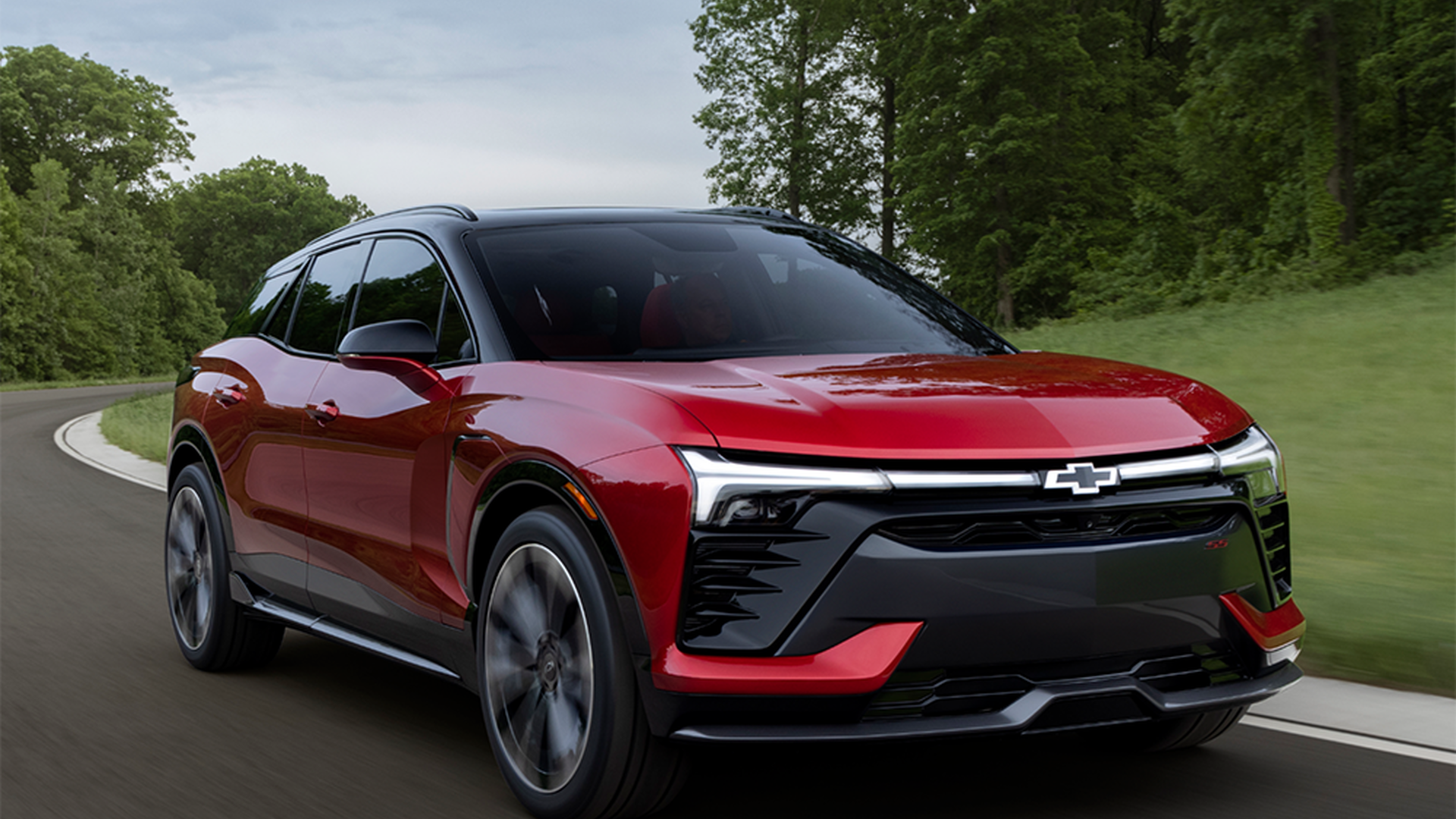
A New Identity Forged in Electricity
The chevron badge has adorned trucks and SUVs for over a century, but the Chevrolet Blazer EV marks a definitive pivot in the brand's engineering philosophy. Unlike the gasoline-powered Blazer that shares its name, this vehicle is a clean-sheet design. It rides on General Motors' BEV3 platform, utilizing the proprietary Ultium battery technology. This distinction is crucial. While the internal combustion Blazer caters to traditionalists, the Blazer EV targets the tech-savvy driver looking for silent, instant torque and cutting-edge connectivity without sacrificing the utility expected of a mid-size SUV. The decision to dual-name these vehicles has sparked debate, but mechanically, they are worlds apart. The Blazer EV is not merely a powertrain swap; it is a reimagining of what a modern American family hauler should be. With a low center of gravity thanks to the floor-mounted battery pack and a spacious interior liberated from the constraints of a transmission tunnel, it offers a driving experience that feels remarkably different from its fossil-fuel sibling.Design: The Camaro Connection
Visual linkage to the past is subtle, but the connection to Chevrolet's performance heritage is overt. The design team drew heavy inspiration from the Camaro sports car, particularly in the front fascia and lighting signature. The Blazer EV features a sleek, aerodynamic profile that prioritizes efficiency without looking like a generic science experiment. The front end lacks a traditional grille-a vestige of internal combustion cooling needs-replaced instead by a blanked-off panel that integrates seamlessly with the narrow, aggressive headlamps. The RS trim, which serves as the style-forward option, receives unique accents like black badging and 21-inch wheels, giving the SUV a street-ready stance. The SS model, the performance flagship, adopts a more assertive look with unique fascias and specific wheels designed to handle the increased power output. Aerodynamics played a pivotal role in the design process; every curve and crease was sculpted to cheat the wind, extending the driving range as far as physics allows.The Blazer EV's 'Black Flow' front fascia eliminates the traditional grille opening, reducing drag and optimizing the aerodynamic efficiency of the front end.
The Ultium Advantage: Battery and Range
At the heart of the Blazer EV lies the Ultium platform. This modular architecture allows for scalability in battery size and motor configuration. The Blazer EV is available in front-wheel drive, all-wheel drive, and rear-wheel drive configurations depending on the trim level, a flexibility that highlights the versatility of the new architecture. The battery capacities vary by trim. Most models utilize a large battery pack that provides an EPA-estimated range comfortably north of 300 miles on a full charge for certain configurations. The chemistry inside these pouch cells represents a leap forward in energy density and thermal management. The vehicles are capable of accepting up to 190 kW of power on DC fast chargers, translating to roughly 78 miles of range added in just 10 minutes under ideal conditions.Charging and Energy Management
Home charging is handled via a standard 11.5 kW onboard AC charger. For the homeowner, this means a full charge overnight is easily achievable with a Level 2 wallbox. Chevrolet has also integrated sophisticated energy management software that allows owners to schedule charging during off-peak utility hours, saving money and reducing strain on the grid. The myChevrolet mobile app provides remote monitoring, allowing users to pre-condition the cabin or check charge status from anywhere.Performance: The SS and Beyond
While the LT and RS trims focus on efficiency and daily comfort, the Blazer EV SS is the headline-grabber. It is the quickest Blazer ever produced. By utilizing a dual-motor all-wheel-drive setup, the SS produces a combined 557 horsepower and 648 lb-ft of torque. This power delivery is instantaneous. There is no lag, no downshift waiting for a transmission to hunt for the right gear. You press the pedal, and the SUV surges forward with a silent, violent authority. The 'Wide Open Watts' mode-Chevrolet's answer to Tesla's 'Ludicrous Mode'-unlocks the full potential of the powertrain, propelling the SS from 0-60 MPH in under four seconds. That is supercar territory from just a few years ago, now available in a family-friendly SUV.- Blazer EV SS Performance Specs
- Horsepower: 557 hp
- Torque: 648 lb-ft
- 0-60 MPH:
- Drive Type: Dual Motor AWD
Interior: A Digital Sanctuary
Step inside the Blazer EV, and the connection to the Camaro becomes even more apparent. The driver-focused cockpit features a wraparound dashboard dominated by screens. A massive 17.7-inch diagonal touchscreen serves as the command center, complemented by an 11-inch diagonal driver information cluster. The physical buttons are sparse, replaced by touch-sensitive controls and voice commands. One of the most controversial yet innovative decisions was the integration of Google built-in. This means no Apple CarPlay or Android Auto. Instead, the vehicle runs a native Android Automotive OS that integrates Google Maps, Google Assistant, and the Google Play Store directly into the vehicle. Google Maps is deeply integrated into the driving experience, automatically routing to charging stations if the destination is beyond the vehicle's range, and preconditioning the battery for faster charging speeds. Material quality takes a step up from the standard Blazer. The RS trim features heated and ventilated front seats, a heated steering wheel, and ambient lighting that sets the mood for nighttime drives. The absence of a transmission tunnel allows for an open center console, providing ample storage space for devices, purses, or gear. It feels open and airy, enhancing the sense of spaciousness.Safety and Driver Assistance
The Blazer EV is built on a structure that prioritizes safety. The Ultium platform's battery pack is encased in a protective cage, integrated into the frame rails for added rigidity and crash protection. Standard safety features are comprehensive. Chevy Safety Assist includes Automatic Emergency Braking, Front Pedestrian Braking, Lane Keep Assist with Lane Departure Warning, and IntelliBeam auto high beams. For those seeking the ultimate in highway convenience, Super Cruise is available. This is one of the most advanced driver assistance systems on the market today. It offers true hands-free driving on compatible highways across the United States and Canada. Using a combination of LiDAR map data, cameras, and radar, the system steers, accelerates, and brakes automatically. A driver attention system monitors the driver's head position to ensure they are watching the road, even when their hands are off the wheel.Driving Dynamics and Regenerative Braking
One of the defining characteristics of electric vehicles is regenerative braking. The Blazer EV offers selectable regenerative braking modes. In 'One-Pedal Driving' mode, the regen is aggressive enough to bring the vehicle to a complete stop without touching the brake pedal in most situations. This not only recovers energy but changes the way the driver interacts with the car, making stop-and-go traffic significantly less tiring. The chassis tuning strikes a balance between sportiness and comfort. The suspension soaks up road imperfections with a level of isolation that luxury buyers expect. The steering is weighted nicely, offering decent feedback despite the electric power steering assistance. In corners, the low-mounted battery keeps body roll in check. It does not feel like a heavy truck; it feels planted and composed.Trims and Configuration Hierarchy
The lineup is structured to appeal to a broad spectrum of buyers. The entry-level 1LT (introduced later in the cycle) offers the essentials for an accessible price point, featuring a front-wheel-drive setup. The 2LT adds more creature comforts and better range. The RS is the sweet spot for many, offering the sportier aesthetic, rear-wheel drive standard, and premium interior features. The SS sits at the top of the pyramid, prioritizing raw speed and all-wheel-drive grip.- Trim Level Availability
- 1LT: FWD, Standard Range
- 2LT: FWD/AWD, Extended Range
- RS: RWD/AWD, Extended Range, Sport Styling
- SS: AWD, Performance Battery, Wide Open Watts