
Bridging the Gap: The SUV Transformation
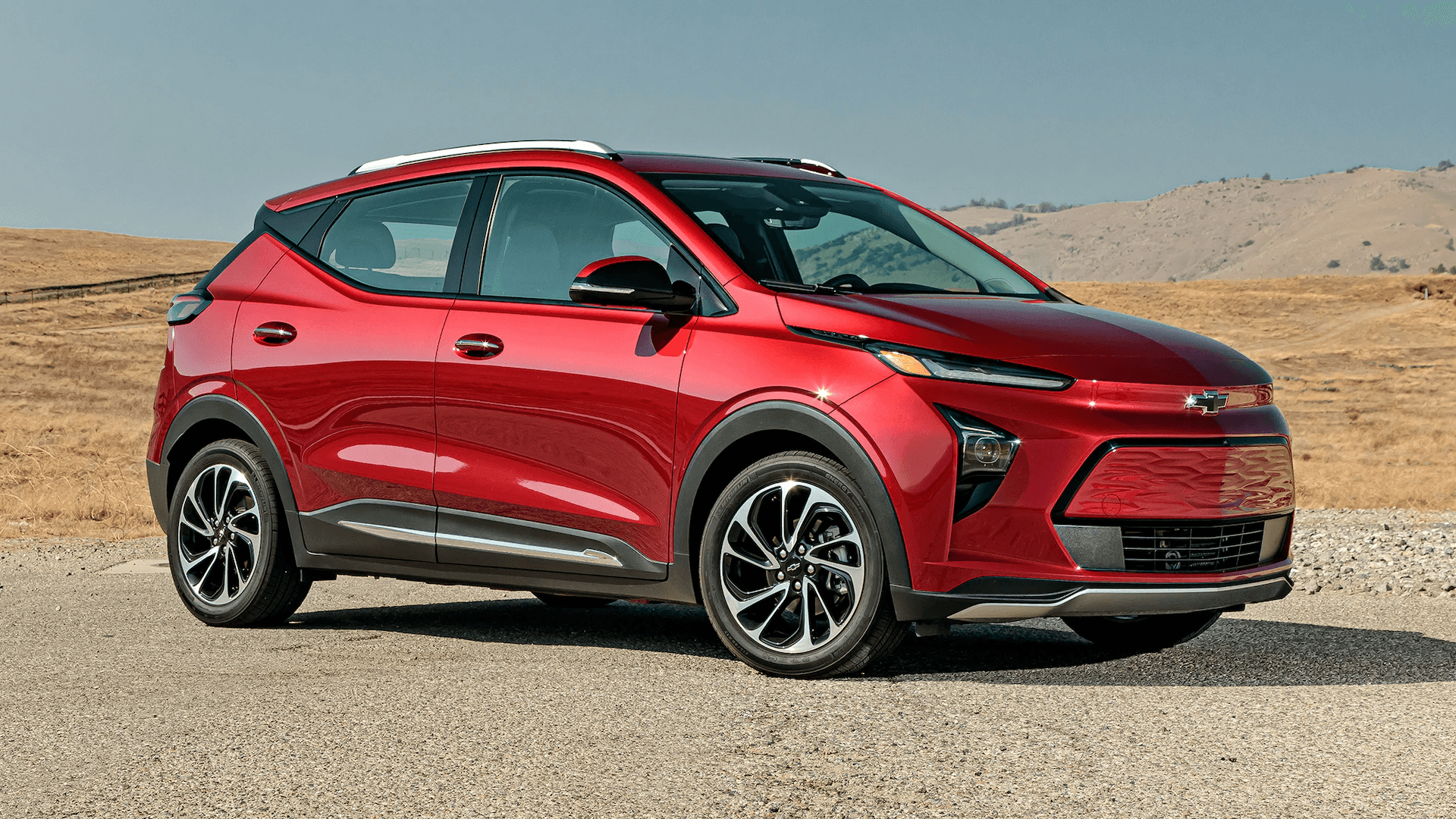
The American automotive market has an insatiable appetite for trucks and SUVs. While the standard Bolt EV hatchback was a technological triumph, its tall hatchback silhouette didn't quite fit the mainstream desire for a rugged, upright stance. Enter the Chevrolet Bolt EUV. Launched in 2022 alongside the refreshed Bolt EV, the EUV (Electric Utility Vehicle) was designed to bridge the gap between the compact hatchback and the forthcoming wave of Ultium-based SUVs. It was a strategic play to capture the suburban driver who needed a bit more space and a lot more style. It wasn't an entirely new vehicle from the ground up, but the modifications were significant. The wheelbase was stretched by nearly three inches, all of which was dedicated to rear-seat legroom. The front and rear overhangs were extended, and the roofline was flattened and raised. Visually, it shed the 'tall economy car' look of the Bolt EV for something that resembled a proper crossover. It was a calculated evolution that addressed the primary criticism of the Bolt platform: it simply looked too small for the American family. The EUV fixed that perception while retaining the punchy electric powertrain that made the original car a joy to drive.Super Cruise: The Headline Feature
The most significant differentiator between the Bolt EUV and its hatchback sibling is the availability of Super Cruise. This technology represents General Motors' entry into the hands-free driving arena. In the Premier trim of the Bolt EUV, Super Cruise came standard, making it the most affordable vehicle on the market to offer such a sophisticated system at that time. Super Cruise is not merely a lane-keeping assist. It is a Level 2 driver assistance system that utilizes a combination of LiDAR map data, high-precision GPS, cameras, and radar sensors to control acceleration, braking, and steering on compatible highways. The system allows the driver to take their hands off the wheel for extended periods, provided their eyes remain on the road, monitored by a driver attention camera. The engineering behind this system is robust. The LiDAR mapping creates a 'virtual rail' for the car to follow, allowing for precise lane positioning even in construction zones or heavy traffic. For the Bolt EUV, the inclusion of this technology was a statement. It signaled that advanced autonomous features should not be the exclusive domain of six-figure luxury sedans. It democratized the future of driving, allowing the average family to experience the relaxation of hands-free highway commuting.The Bolt EUV was the first Chevrolet vehicle to offer Super Cruise, beating the Silverado and the rest of the lineup to the punch in integrating this hands-free technology.
Design: A Crossover Stance
Park the Bolt EUV next to the Bolt EV, and the differences in philosophy are immediately apparent. The EUV adopts a more traditional SUV profile. The hood is longer and higher, meeting a standard horizontally slatted grille-unusual for an EV, but necessary to communicate 'Chevrolet Truck' DNA to the buyer. The lighting signature is distinct, featuring slim upper daytime running lights that frame the grille, with the main headlamps tucked lower in the bumper, similar to the design language of the Blazer. The rear end is arguably where the EUV shines. It eschews the vertical, station-wagon-like pillars of the hatchback for a wider, more planted stance. The tail lamps wrap around the quarter panels, emphasizing the width of the vehicle. It is a design that wears its 'Utility' badge with pride. It doesn't try to be a futuristic pod; it looks like a machine that belongs in a school pickup line or a Home Depot parking lot. Ground clearance is slightly improved, though it remains a car-based crossover designed for pavement, not rock crawling.The Powertrain: Proven Electric Muscle
Under the skin, the Bolt EUV utilizes the same proven BEV2 platform as the Bolt EV. The motor is a permanent magnet drive unit producing 200 horsepower and 266 lb-ft of torque. This output is substantial for a vehicle in this segment. The torque delivery is instant, providing a surge of acceleration that makes city driving effortlessly fun. The 0-60 MPH sprint takes roughly seven seconds, which is quick enough to merge confidently onto fast-moving freeways. However, the added length and weight of the EUV did impact the range slightly. While the Bolt EV was rated at 259 miles, the EUV carries an EPA-estimated rating of 247 miles. This seven percent reduction is a fair trade for the increased utility and size. The battery pack remains a 65 kWh unit, utilizing liquid thermal management to ensure longevity and consistent performance in extreme weather.- Drivetrain Specifications
- Motor: Permanent Magnet Drive Unit
- Horsepower: 200 hp
- Torque: 266 lb-ft
- Battery Capacity: 65.0 kWh
- EPA Range: 247 miles
Charging Infrastructure and Limitations
While the Bolt EUV improved upon the driving experience, it inherited one of the platform's primary limitations: charging speed. The architecture supports a maximum DC fast charging rate of 55 kW. In a market where competitors like the Hyundai Ioniq 5 and Kia EV6 are pushing 250 kW charging speeds, the Bolt EUV lags behind. Practically, this means a road trip requires more patience. Charging from empty to 80% can take upwards of 60 minutes at a fast charger. The charge curve is also steep; once the battery passes 50%, the intake rate drops significantly. For the target demographic-families-the 'cheaper' price point mitigates this flaw. If the primary use case is daily commuting and overnight home charging, the fast charging speed is largely irrelevant. But for the cross-country road tripper, this is a notable constraint. It is a car designed for the 90% use case (daily driving) rather than the 10% edge case (long-distance rapid transit).Interior: A Tech-Forward Cockpit
Inside, the Bolt EUV shares the same revolutionary interior update that saved the Bolt family from obscurity. Gone were the hard plastics and confusing button layouts of the pre-2020 models. In their place was a modern, driver-focused cockpit. An 8-inch diagonal driver instrument cluster sits behind the steering wheel, while a 10.2-inch diagonal infotainment touchscreen dominates the center stack. The graphics are crisp, and the response time is snappy. Wireless Apple CarPlay and Android Auto are standard, a feature that is quickly becoming a must-have. The console is open and airy, featuring an electronic shifter that frees up physical space for storage. The materials, particularly in the Premier trim, are a mix of soft-touch surfaces and textured plastics that punch above the vehicle's weight class. The seats were redesigned for better comfort, addressing a major complaint from early Bolt EV adopters who found the seats too flat and unsupportive.Rear Seat Comfort
This is where the EUV justifies its existence. The stretched wheelbase translates directly to rear-seat legroom. It is genuinely spacious. An adult can sit behind another adult without their knees touching the seat back. The flat floor means there is no transmission tunnel to straddle, making the middle seat a viable option for a third passenger on short trips. It is a five-seater in the truest sense, lacking a third row, but providing ample room for five adults-something that cannot be said for many compact crossovers.Driving Dynamics: Tuned for Comfort
The engineers tuned the Bolt EUV's suspension differently than the hatchback. The steering is lighter, prioritized for low-speed maneuverability in parking lots rather than corner-carving feedback. The suspension travel is slightly longer to soak up bumps, giving it a softer, more compliant ride. It feels larger than the Bolt EV, but not unwieldy. The low center of gravity keeps it stable, preventing the top-heavy wobble often found in taller SUVs. Regenerative braking remains a core feature. The paddle on the back of the steering wheel allows for 'One-Pedal Driving.' In city traffic, this becomes second nature. You modulate your speed by lifting off the accelerator, catching the regen paddle to slow down faster. It extends your range and saves your brake pads. It changes the way you interact with the car, making the driver an active participant in energy management.Trim Levels: LT and Premier
The Bolt EUV was offered in two main trims, keeping the decision process simple for buyers. **LT:** The entry-level model was surprisingly well-equipped. It came standard with the full suite of safety features, including Automatic Emergency Braking, Lane Keep Assist, and Front Pedestrian Braking. It included the dual screens and wireless smartphone integration. It was the rational choice for the budget-conscious family. **Premier:** The top-tier model added the luxury touches. It included leather-appointed heated and ventilated front seats, a heated steering wheel, and a 360-degree camera system. Crucially, it added Super Cruise and a Head-Up Display. For the buyer looking to step up from a luxury brand without paying the luxury EV tax, the Premier offered a compelling value proposition.Market Context and Discontinuation
The Bolt EUV's life was short but impactful. It arrived in 2022 and was discontinued in late 2023 alongside the Bolt EV. The reason cited by General Motors was the shift to the new Ultium platform. The Bolt architecture, while capable, was considered legacy tech in a rapidly advancing segment. The decision was met with disappointment from fans who appreciated the car's value proposition. The new Equinox EV is slated to fill the gap, but at a higher price point and with a different driving character. The Bolt EUV represents a specific moment in automotive history-a time when manufacturers were rushing to fill their EV quotas with adapted platforms before their ground-up designs were ready. Yet, despite being a 'stop-gap,' it was executed with high competence. It offered features, space, and range that put it on the wishlist of practical-minded buyers.Safety Ratings and Structure
Safety is paramount in a family hauler. The Bolt EUV utilized the same reinforced safety cage as the Bolt EV. High-strength steel was used extensively in the occupant compartment. The National Highway Traffic Safety Administration (NHTSA) awarded the Bolt EUV a 5-Star Overall Safety Rating, the highest possible score. The suite of active safety features, known as Chevy Safety Assist, was standard across the line. This included Following Distance Indicator, IntelliBeam auto high beams, and Front Pedestrian Braking. These systems act as a safety net, monitoring the road for threats that the driver might miss. In the context of an urban environment, where pedestrians and cyclists are unpredictable, this technology is not just a convenience; it is a critical safety tool.Buying Used: What to Look For
With the model discontinued, the used market is the only place to find a Bolt EUV. Prospective buyers should be aware of the battery recall that affected the platform. By late 2023, most units should have had the battery replacement or software update performed by a dealer. Checking the service history for the 'final remedy' battery pack is essential. A unit with a replaced battery effectively has a brand-new powertrain with a reset cycle life, making it a highly attractive purchase. The charging speed limitation should be weighed against the vehicle's primary use. For a household with a second gasoline car for long trips, or for a family that charges at home 99% of the time, the Bolt EUV is arguably one of the best values on the used market. It offers more interior space than a Hyundai Kona Electric and a lower price of entry than a Volkswagen ID.4.Technical Specifications Summary
The dimensions of the EUV place it firmly in the compact class, though its interior volume defies the exterior footprint.- Dimensions & Capacity
- Wheelbase: 105.0 inches
- Overall Length: 169.5 inches
- Width: 69.7 inches
- Height: 65.6 inches
- Curb Weight: Approx. 3,715 lbs