
A Clean Sheet Design for the Compact Segment
General Motors engineers faced a monumental task at the dawn of the 21st century. Replacing the uninspired Cobalt required a massive, unprecedented global effort. The development team pulled heavy engineering resources from Opel in Germany and Daewoo in South Korea to forge the all-new Delta II architecture. The result was a highly rigid, meticulously refined chassis that completely transformed American expectations for the domestic compact class. Structural engineers prioritized torsional stiffness above all else, utilizing advanced high-strength steel across 65 percent of the underlying body structure. This rock-solid foundation allowed chassis tuners to optimize the suspension purely for ride compliance and confident handling, rather than constantly overcompensating for unwanted chassis flex over rough pavement.
The doors close with a satisfying, heavy, resonant thud. This was a deliberate acoustic engineering target designed to mimic the tactile feel of premium European sedans. Slip behind the steering wheel, and the chaotic outside world fades away entirely. Chevrolet implemented extensive acoustic treatments throughout the firewall, utilized triple-sealed doors, and installed a specialized laminated acoustic windshield to isolate occupants from harsh tire roar and highway wind buffeting. It set a new benchmark for interior noise, vibration, and harshness (NVH) levels in an affordable commuter vehicle.
The J300 Era: Engineering the First Generation (2008-2016)
Under the sculpted hood, Chevrolet offered a tiered, highly strategic approach to propulsion. Early base models utilized a naturally aspirated 1.8-liter four-cylinder, but the focal point of the entire lineup was the groundbreaking turbocharged 1.4-liter Ecotec engine. Generating 138 horsepower and 148 lb-ft of torque, this small-displacement mill fundamentally changed how the car drove on American roads. The low-inertia turbocharger pushed peak torque down to a highly usable 1,850 RPM. Highway merging requires a simple flex of the right foot. You ride a thick, surging wave of low-end boost rather than winding out a screaming, breathless naturally aspirated engine to the redline just to keep up with fast-moving interstate traffic.
To manage this turbocharged torque while providing engaging, predictable handling, Chevrolet engineers deployed a highly clever, space-saving rear suspension design. The front utilized traditional, well-sorted MacPherson struts, but the rear axle featured a torsion beam augmented by an advanced Watts Z-link mechanism.
The Watts Z-link acts as a mechanical centering device for the rear axle. During heavy cornering, it absorbs brutal lateral forces, preventing the rear wheels from stepping out over mid-corner bumps while perfectly maintaining the packaging benefits, trunk space, and low weight of a standard torsion beam setup.
Power flowed to the front wheels through either a precise, short-throw M32 six-speed manual gearbox or the Hydra-Matic 6T40 six-speed automatic transmission. Engineers meticulously programmed the automatic to upshift early under light loads to maximize fuel efficiency. Yet, the transmission control module instantly recognized aggressive throttle inputs, holding gears longer during spirited canyon driving or steep gradient climbs to keep the engine squarely in its powerband.
First Generation Core Specifications
- Platform Architecture
- GM Delta II Global Compact
- Base Engine Option
- 1.8L Ecotec LUW Inline-4 (Naturally Aspirated)
- Premium Engine
- 1.4L Ecotec LUJ/LUV Turbocharged Inline-4 (1,364 cm3 displacement)
- Transmission Pairings
- 6-speed manual, 6-speed Hydra-Matic automatic
- Wheelbase Dimensions
- 105.7 inches
The Bold Diesel Experiment in America
In a bold, highly strategic move for the North American market, Chevrolet introduced the Cruze Clean Turbo Diesel for the 2014 model year. Aimed directly at dominating the high-mileage, highway-cruising segment historically owned by German automakers, this robust 2.0-liter LUZ oil-burner produced 151 horsepower and a massive 264 lb-ft of torque. A factory-programmed overboost function could momentarily push maximum torque output to a staggering 280 lb-ft. This allowed the compact sedan to effortlessly pull away from heavy traffic with the muscular, low-end grunt typically reserved for much larger V6 engines or mid-size trucks.
Engineers equipped this specialized powerplant with a fast-spooling variable-geometry turbocharger and a complex exhaust gas recirculation system to keep harmful NOx and CO2 emissions strictly in check. Highway fuel economy soared, frequently exceeding 46 miles per gallon during sustained, high-speed interstate cruising. The engine block utilized a heavily reinforced cast-iron design for supreme durability under extreme cylinder pressures, paired with an advanced aluminum cylinder head to manage thermal efficiency and reduce overall weight over the front axle.
The J400 Evolution: Lighter, Faster, Sharper (2016-2019)
Chevrolet launched the vastly improved second-generation model, designated the J400, for the 2016 model year. The engineering team ruthlessly stripped excess weight from the vehicle, cutting an astonishing 250 pounds compared to the outgoing first-generation chassis. This dramatic, highly effective diet was successfully achieved through the implementation of the cutting-edge D2XX architecture. This new platform heavily utilized hot-stamped, ultra-high-strength steel alloys in critical load-bearing areas like the A-pillars and rocker panels. The much lighter footprint fundamentally altered the driving dynamics. The front end turns in drastically sharper. Braking distances shrink significantly. The entire vehicle feels eager, light on its feet, and willing to change direction on tight, winding backroads.
Aerodynamic efficiency heavily dictated the revised, highly sculpted exterior design language. The front fascia sweeps back aggressively, dragging turbulent air smoothly over the highly raked windshield and the sloping, coupe-like roofline. This sleek teardrop profile cuts through the wind to eliminate high-speed cabin noise and drop the aerodynamic drag coefficient to a remarkably slippery 0.28. Active grille shutters were integrated directly into the lower front bumper. These electrically actuated louvers automatically close at highway speeds to block turbulent air from entering the engine bay, routing it smoothly around the vehicle to further reduce aerodynamic drag and improve highway fuel efficiency.
The Advanced LE2 Engine Architecture
Propulsion for the second generation came courtesy of a completely redesigned, ground-up 1.4-liter turbocharged inline-four, internally codenamed LE2. Unlike its port-injected predecessor, this highly modern engine featured high-pressure direct fuel injection, an all-aluminum cylinder block, and a clever integrated exhaust manifold cast directly into the cylinder head. Total output jumped to a spirited 153 horsepower and 177 lb-ft of torque. The critical switch to an aluminum engine block stripped 44 crucial pounds right off the nose of the car. This drastically improved the front-to-rear weight distribution, significantly reducing terminal understeer during aggressive cornering maneuvers and providing a much more balanced, neutral feel through the steering wheel.
Chevrolet eventually paired this engine with advanced start-stop technology to save fuel during heavy city traffic. Engineers utilized a robust, heavy-duty starter motor and an absorbent glass mat (AGM) battery to ensure the engine re-ignited instantly and imperceptibly the moment the driver lifted their foot off the brake pedal.
The Hatchback Arrives and the Whisper Diesel Returns
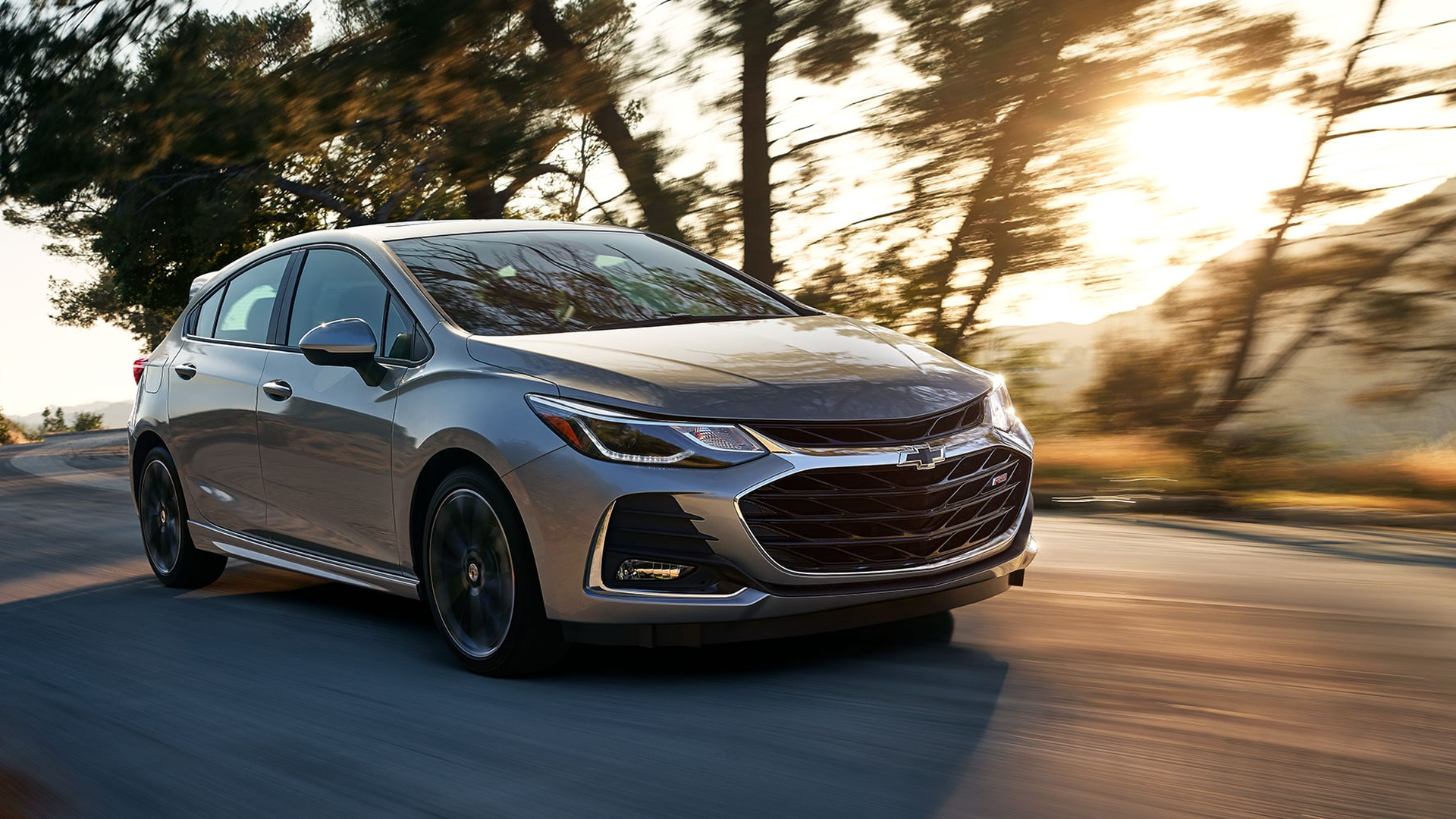
Chevrolet answered the loud, persistent call from driving enthusiasts and practical-minded buyers by finally bringing the highly anticipated Cruze Hatchback to North American shores. The five-door variant retained the sedan's exact 106.3-inch wheelbase but dramatically truncated the rear overhang. It offered a cavernous 47.2 cubic feet of total cargo space with the 60/40 split-folding rear seats laid completely flat. The hatchback profile gave the car a distinctly European, aggressive stance. Visually, the car popped when equipped with the optional RS package, which added specialized front fascias, sculpted aerodynamic rocker panels, integrated fog lamps, and a prominent rear roof spoiler.
For long-distance commuters, the second-generation diesel option, the 1.6-liter LH7, earned the internal nickname Whisper Diesel. To eliminate the harsh, tractor-like clatter associated with older diesel engines, GM engineers relocated the timing chain to the rear of the engine block, fundamentally changing the acoustic signature. They then covered the entire powerplant in specialized, sound-absorbing acoustic shielding. It delivered incredibly smooth, nearly silent torque (240 lb-ft) while returning phenomenal fuel economy numbers that directly challenged dedicated hybrid vehicles. Later diesel models even utilized a sophisticated 9T50 nine-speed automatic transmission, keeping the engine in the absolute perfect RPM range for maximum efficiency at any speed.
Second Generation Core Specifications
- Platform Architecture
- GM D2XX Global Compact
- Primary Powertrain
- 1.4L LE2 Turbocharged Inline-4 (Direct Injection)
- Horsepower Output
- 153 hp @ 5,600 RPM
- Torque Output
- 177 lb-ft @ 2,000-4,000 RPM
- Diesel Option (Gen 2)
- 1.6L LH7 Whisper Diesel Inline-4 (137 hp, 240 lb-ft)
Interior Ergonomics and Segment-Leading Technology
General Motors aggressively positioned the Cruze as a premier technology leader within the compact segment. The signature dual-cockpit interior design wrapped cleanly around the driver and front passenger, featuring a prominent, flowing center stack housing the highly intuitive MyLink infotainment system. Chevrolet integrated blazing-fast 4G LTE Wi-Fi hotspot capabilities into the vehicle long before it became a standard industry expectation, transforming the car into a mobile office. The crisp, high-resolution touchscreen interfaces offered seamless Apple CarPlay and Android Auto compatibility right from the factory, ensuring the cabin technology aged gracefully and remained highly functional over the vehicle's entire lifespan.
Interior material quality took a massive, undeniable leap forward. Soft-touch, premium materials lined the upper dashboard and door panels, completely replacing the harsh, shiny, hollow plastics that plagued earlier generations of American compact cars. The front seats featured highly supportive, dual-density foam bolstering specifically designed to reduce driver fatigue during grueling, multi-hour road trips. The strategic placement of the H-point (hip point) gave the driver a commanding, confident view of the road ahead while maintaining a sporty, low-slung seating position that connected the driver to the chassis.
World Touring Car Championship Dominance
You cannot fully document the extensive history of the Cruze without acknowledging its ferocious, undeniable success on the international racetrack. The highly rigid first-generation J300 chassis formed the perfect, unyielding baseline for Chevrolet's World Touring Car Championship (WTCC) factory racing campaign. Heavily modified by the legendary Ray Mallock Ltd. (RML) group, the race-prepped touring cars absolutely dominated the international racing circuit.
Legendary drivers like Yvan Muller, Rob Huff, and Alain Menu piloted the aggressive, wide-body, aerodynamically tuned sedans to multiple consecutive manufacturers' and drivers' championships between 2010 and 2012. The 1.6-liter turbocharged race engines produced massive power, but the true secret to their success was the mechanical grip generated by the heavily modified suspension architecture. The massive amounts of telemetry data gathered from these high-stress, wheel-to-wheel track environments directly influenced the subtle aerodynamic tweaks and suspension durability enhancements of the production models sitting in driveways across America. The racing pedigree proved beyond a shadow of a doubt that the underlying architecture was not just a basic commuter platform, but a highly capable, globally respected engineering achievement.
The Shift in Consumer Demand
Despite its critical acclaim, robust engineering, and massive global sales success, the Cruze eventually fell victim to a massive shift in American consumer preferences. As buyers overwhelmingly abandoned traditional sedans in favor of high-riding compact crossovers and SUVs, demand for the compact car segment cratered. General Motors made the tough strategic decision to end North American production at the historic Lordstown Assembly plant in Ohio in 2019, pivoting their manufacturing resources to vehicles like the Equinox and Trax. Even though it is no longer rolling off the assembly line, the Cruze remains a critical turning point in Chevrolet's history-the moment they built a world-class compact car that could legitimately stand toe-to-toe with the very best from Europe and Japan.