
Abandoning Internal Combustion: The Ultium Architecture
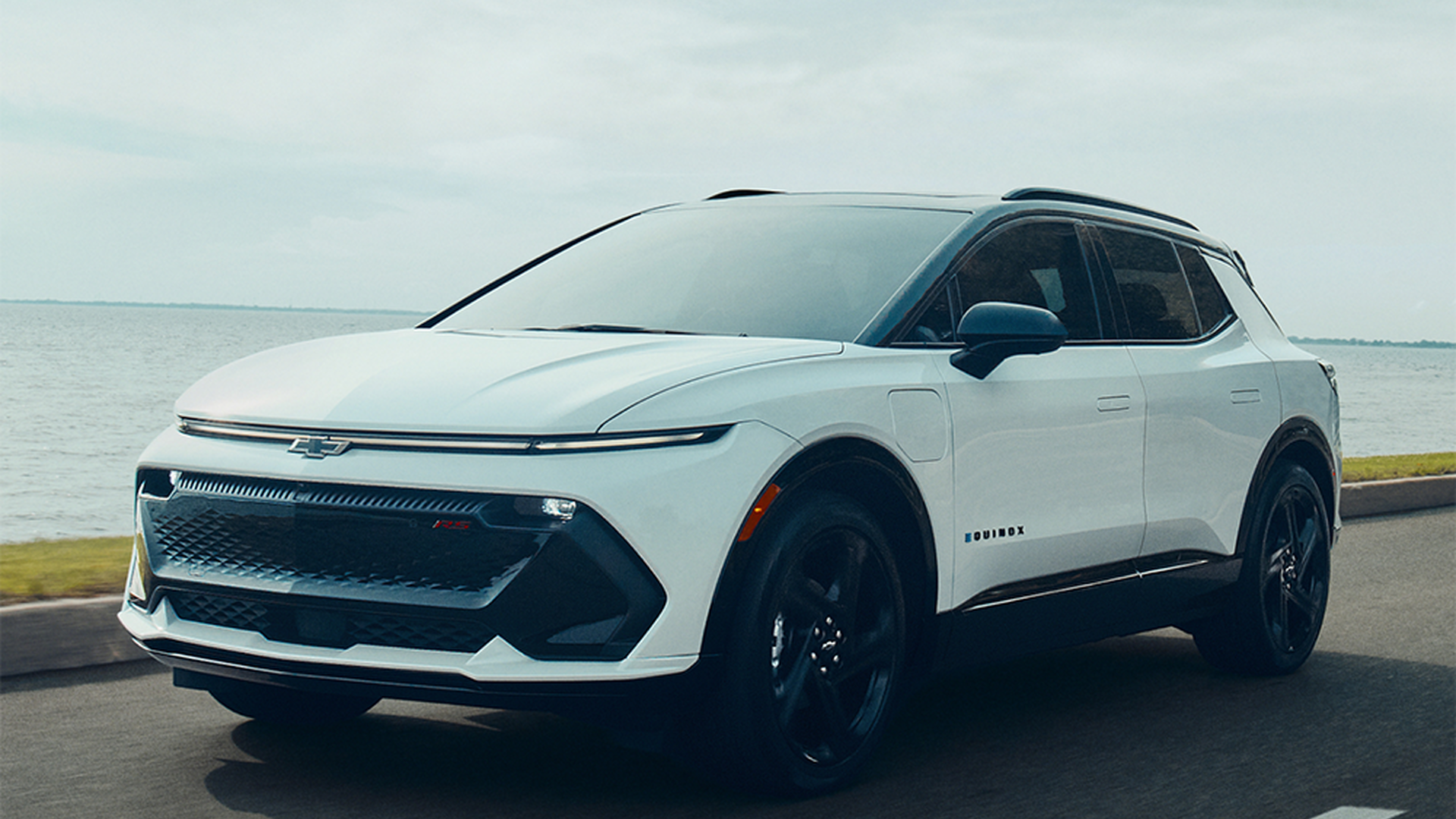
General Motors executed a ruthless engineering pivot with the Chevrolet Equinox EV. They completely discarded the legacy internal combustion D2XX platform. Instead, engineers developed this vehicle entirely from a blank screen around the highly scalable Ultium battery architecture. Forcing a massive lithium-ion battery pack into an old chassis heavily compromises passenger space and ruins handling dynamics. By designing the Equinox EV specifically as an electric vehicle from day one, Chevrolet manipulated the physical packaging to perfectly optimize weight distribution, maximize interior volume, and dictate a radically low center of gravity.
The Ultium platform treats the massive battery pack not strictly as a fuel source, but as a critical, load-bearing structural component of the vehicle's chassis. Engineers encapsulate the battery modules inside a high-strength steel vault. They integrate massive extruded aluminum crossmembers that tie directly into the vehicle's rocker panels. This heavy structural integration violently resists torsional twisting during high-speed cornering and actively channels kinetic crash energy completely around the passenger cabin during a severe lateral impact.
By utilizing the high-voltage battery enclosure as a primary structural element, the engineering team massively increased the overall torsional rigidity of the chassis. You immediately feel this profound stiffness the moment you throw the heavy crossover into a tight, sweeping off-ramp. The body remains completely flat and entirely predictable.
Electrochemistry: The NCMA Cathode Revolution
Deep inside the steel vault lies the beating heart of the Equinox EV. The Ultium cells rely on a highly advanced Nickel-Cobalt-Manganese-Aluminum (NCMA) cathode chemistry. Automotive engineers constantly battle the volatile nature of raw cobalt. Cobalt stabilizes the lithium structure, but it remains incredibly expensive and ethically problematic to mine. The Ultium chemical recipe aggressively slashes the total cobalt requirement by nearly 70 percent compared to previous GM battery generations.
To safely execute this drastic cobalt reduction without triggering dangerous thermal runaway, chemists introduced aluminum directly into the cathode matrix. The aluminum acts as a powerful stabilizing agent, allowing the lithium ions (Li+) to flow rapidly back and forth between the anode and cathode without physically degrading the internal cell structure. These specialized large-format pouch cells are stacked horizontally within the pack, maximizing the precise volumetric energy density of the floorpan.
Thermal Propagation Mitigation
Containing thousands of highly reactive electrochemical cells requires obsessive thermal management. If a single pouch cell suffers a catastrophic internal short circuit, it immediately vents superheated gasses. Chevrolet engineers designed the Ultium pack with highly specialized aerogel thermal barriers placed directly between individual modules. If one cell experiences a thermal event, these heavy-duty physical barriers completely block the extreme heat transfer, physically preventing the fire from cascading violently throughout the rest of the 400-volt pack structure.
Powertrain Dynamics: Permanent Magnet Synchronous Motors
Propelling a heavy electric crossover demands highly efficient kinetic energy conversion. The standard front-wheel-drive Equinox EV utilizes a single permanent magnet synchronous motor mounted directly to the front axle. This specific motor design features incredibly strong rare-earth magnets physically embedded directly inside the spinning rotor. A heavy-duty traction inverter pulls high-voltage direct current from the battery pack and violently pulses it into three-phase alternating current.
This massive electrical current floods the thick copper stator windings, instantly creating a powerful, rotating magnetic field. The embedded magnets inside the rotor violently chase this shifting field, converting raw electrical potential directly into brutal mechanical torque. Because an electric motor requires absolutely no physical engine revving to build boost pressure, the power delivery is instantaneous. Bury the heavy accelerator pedal. The motor delivers maximum twist at precisely zero RPM, pushing you firmly back into the heavily bolstered driver's seat.
- Standard Powertrain (FWD)
- Single permanent magnet synchronous electric motor on the front axle
- Maximum Output (FWD)
- 213 HP
- Peak Torque (FWD)
- 236 lb-ft of instantaneous torque
- EPA Estimated Range
- Up to 319 miles on a single complete charge cycle
- Transmission
- Single-speed direct-drive reduction gear
The eAWD High-Performance Variant
Chevrolet specifically addresses drivers navigating severe winter weather and those demanding aggressive acceleration by offering an electronic AWD configuration. Unlike traditional internal combustion crossovers that rely on heavy, parasitic steel driveshafts and complex center differentials, the Equinox EV eAWD system utilizes two entirely independent electric motors.
Engineers retain the highly efficient permanent magnet motor on the front axle but add a secondary induction motor directly to the rear subframe. Induction motors completely lack rare-earth magnets. Instead, they rely purely on the stator's shifting magnetic field to physically induce an opposing electrical current inside the heavy copper rotor bars. During light highway cruising, the internal computer completely cuts power to the rear induction motor. Because there are no permanent magnets creating physical drag, the rear rotor spins completely freely, massively reducing electrical consumption and significantly extending the vehicle's highway range. The exact millisecond the optical wheel-speed sensors detect front tire slip, the inverter violently floods the rear stator with current, instantly engaging the rear axle to deliver massive raw traction.
- Performance Powertrain (eAWD)
- Dual-motor configuration featuring front permanent magnet and rear induction units
- Maximum Output (eAWD)
- 288 HP
- Peak Torque (eAWD)
- 333 lb-ft
- 0-60 MPH Acceleration
- 5.9 seconds
- EPA Estimated Range (eAWD)
- Up to 285 miles
Thermal Management: Scavenging Waste Heat
Electric vehicles historically suffer severe range degradation during freezing winter temperatures. Heating a large passenger cabin relying entirely on a traditional resistive PTC heater violently drains high-voltage energy directly from the primary battery pack. The Equinox EV completely solves this physical limitation by relying on a highly complex, advanced heat pump system.
This specialized thermodynamic architecture operates exactly like an active, reversible air conditioning system. The heat pump scavenges ambient thermal energy directly from the outside air, even in sub-freezing weather. It simultaneously captures the waste heat generated by the spinning electric motors and the heavy-duty traction inverter. The system heavily compresses this scavenged heat energy and pumps it directly into the passenger cabin. By aggressively recycling this waste heat rather than relying on a giant electrical toaster element, the Equinox EV preserves massive amounts of battery capacity, ensuring reliable long-distance travel during brutal winter storms.
Charging Infrastructure and High-Voltage Kinetics
Replenishing a massive chemical battery requires heavy-duty electrical infrastructure. The Equinox EV features an advanced 11.5 kW onboard charger for standard Level 2 alternating current (AC) home charging. This setup perfectly handles overnight top-offs in a residential garage. True highway viability relies entirely on the vehicle's Direct Current (DC) fast-charging architecture.
Connect the Equinox EV to a heavy commercial DC fast charger. The system completely bypasses the vehicle's internal AC converter, forcing raw direct current straight into the battery modules. The vehicle actively accepts up to 150 kW of maximum charging power. The internal software constantly monitors individual cell temperatures and precisely adjusts the voltage curve on the fly to prevent severe lithium plating on the anodes. Under optimal atmospheric conditions, this high-speed kinetic transfer crams roughly 70 miles of driving range directly into the pack in exactly 10 minutes.
Kinetic Energy Recovery: One-Pedal Physics
Traditional friction braking completely wastes valuable kinetic energy, violently converting physical momentum directly into useless heat via heavy brake rotors. The Equinox EV flips this archaic physical paradigm using highly aggressive regenerative braking technology. Lift your foot off the accelerator pedal. The traction inverter immediately reverses the magnetic field inside the primary electric motor.
The motor instantly transforms into a heavy-duty electrical generator. The physical momentum of the heavy, two-ton crossover physically forces the rotor to spin against the massive magnetic resistance of the stator. This intense physical resistance rapidly decelerates the vehicle while violently shoving raw electrons backward directly into the NCMA battery pack. Chevrolet specifically tuned this system to enable true One-Pedal Driving. The driver can bring the crossover to a complete, dead stop in heavy urban traffic utilizing only the accelerator pedal, massively extending the operational lifespan of the traditional hydraulic friction brakes.
Aerodynamic Exterior Sculpting
Pushing a tall, boxy crossover through dense atmospheric air severely drains electric range. Automotive designers spent hundreds of grueling hours inside heavy wind tunnels, meticulously sculpting the exterior shell of the Equinox EV to completely minimize its aerodynamic drag coefficient. The traditional open front grille vanishes entirely. Because there is no internal combustion engine requiring massive air volumes for thermal cooling, the front fascia is completely sealed and smoothed.
Flush-mounted electronic door handles sit completely flat against the heavy sheet metal, preventing chaotic air turbulence along the vehicle's flanks. Heavy plastic aero-shields completely cover the underside of the vehicle, providing a perfectly flat physical surface that accelerates high-velocity wind out from under the rear bumper. The sharply raked windshield and precise roofline spoiler physically force the air stream to cleanly detach from the rear hatch, actively preventing the massive vacuum wake that typically plagues square-backed SUVs.
Chassis Dynamics and Suspension Geometry
Managing the extreme curb weight of a large battery pack dictates specialized chassis engineering. The low, heavy battery completely transforms the vehicle's physical roll center. The Equinox EV relies on an independent MacPherson strut configuration on the front axle and a highly sophisticated multi-link independent suspension architecture in the rear.
Engineers specified incredibly thick stabilizer bars and heavily dampened shock absorbers. When you aggressively attack a tight corner, the low center of gravity prevents the vehicle from feeling top-heavy. The massive unsprung mass of the heavy 21-inch aluminum wheels is tightly controlled by the suspension valving, ensuring the large tire contact patches remain firmly planted against severely broken pavement.
Interior Spatial Geometry and Technology
Removing the massive internal combustion engine, heavy transmission tunnel, and thick steel driveshaft completely liberates the interior cabin architecture. The Equinox EV features a completely flat floor pan. This architectural freedom generates massive legroom for rear-seat passengers and permits a highly open, airy cabin environment.
The dashboard completely discards traditional analog gauges. A massive, sweeping digital array thoroughly dominates the driver's forward view. Higher trim levels feature a striking 17.7-inch diagonal infotainment touchscreen seamlessly fused with an 11-inch digital instrument cluster. This highly responsive interface heavily leverages Google built-in technology, specifically utilizing Google Maps to actively route drivers directly to available high-speed DC charging stations, completely neutralizing traditional range anxiety. Chevrolet heavily applied acoustic deadening materials throughout the cabin specifically to silence the harsh, high-frequency tire roar that becomes painfully obvious when you remove the masking noise of a vibrating gas engine.
Super Cruise: Advanced Driver Assistance
The Equinox EV integrates Chevrolet's highly celebrated Super Cruise technology. This true hands-free advanced driver assistance system heavily utilizes high-definition LiDAR mapping data, precision GPS, and a massive array of forward-facing optical cameras and active radar sensors. Engage the system on an approved, mapped stretch of divided highway. The vehicle completely takes over the primary steering, heavy braking, and active acceleration duties.
The internal software constantly scans the asphalt ahead, maintaining a precise following distance and perfectly centering the heavy crossover squarely within its lane. A highly specialized infrared camera mounted directly on the steering column actively tracks the driver's eye movements. The system demands the driver maintain absolute visual attention on the road ahead, instantly disengaging the autonomous piloting software if it detects severe driver distraction.
Packaging the Electric Future
The Chevrolet Equinox EV stands as a highly definitive turning point in American automotive engineering. General Motors took the absolute most popular vehicle segment in the country-the compact crossover-and completely ripped out its traditional gasoline heart. By heavily leveraging the highly modular Ultium platform, aggressively maximizing battery chemistry, and applying intense aerodynamic sculpting, the Equinox EV delivers the instant torque, massive interior volume, and heavy-duty technological integration that modern buyers demand. It operates strictly as a highly refined, uncompromising glimpse into the completely electrified future of the American highway.