
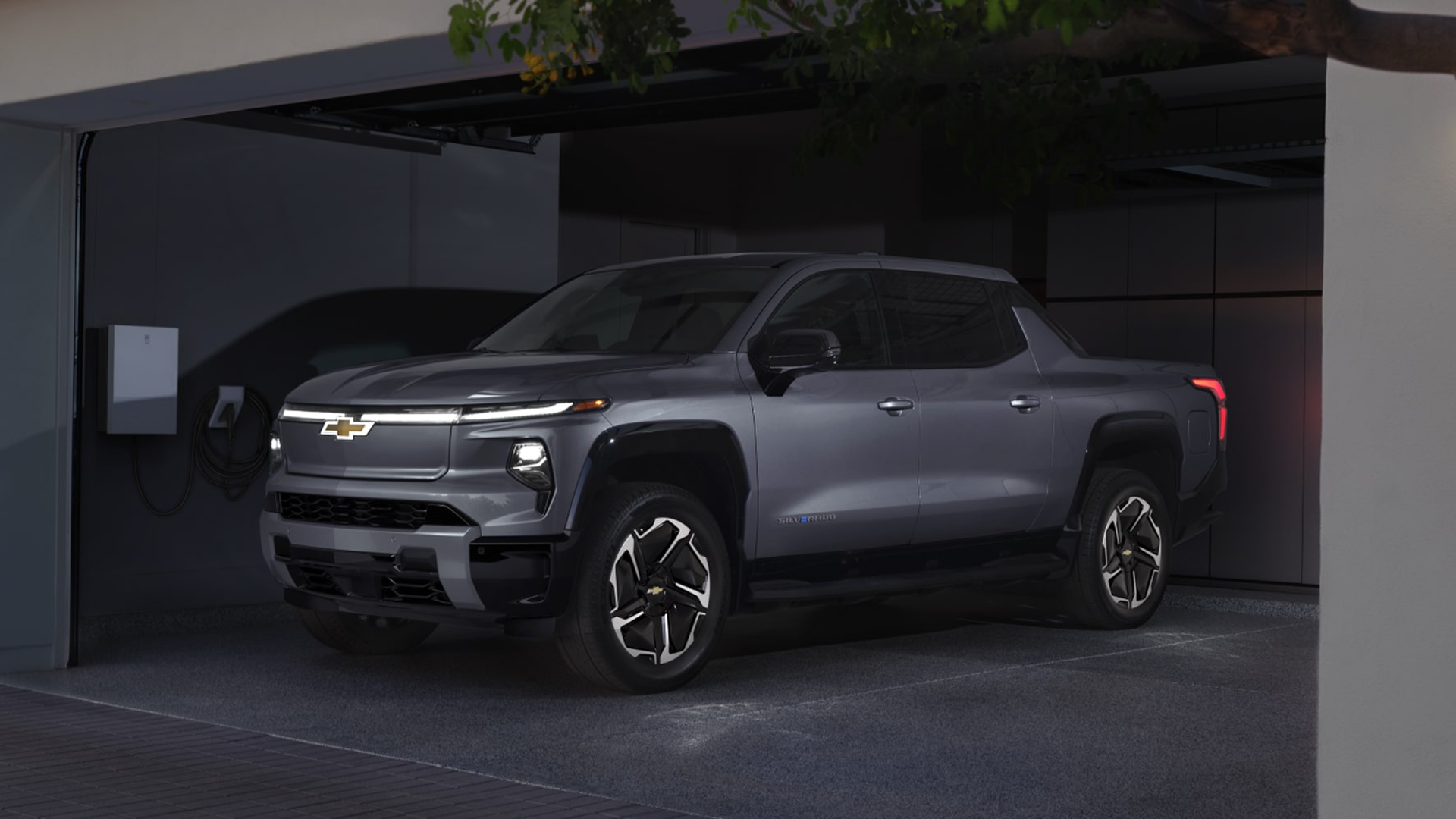
Redefining the American Workhorse
Chevrolet ripped up the century-old playbook for pickup trucks. The Silverado EV shares zero structural components with its internal combustion engine (ICE) brethren. Engineers started with a blank slate, anchoring the entire vehicle around the revolutionary Ultium platform. This architecture integrates the battery pack directly into the fundamental structure of the chassis. The result is a dramatic increase in torsional rigidity. Drivers feel this instantly over broken pavement; the truck absorbs impacts without the traditional bed-shake inherent to body-on-frame designs.
The Ultium Architecture and Battery Chemistry
GM's Ultium platform utilizes a modular battery approach, allowing for massive energy storage. The Silverado EV packs a formidable 24-module pack, delivering roughly 200 kWh of usable energy in top configurations. This pack utilizes a Nickel Cobalt Manganese Aluminum (NCMA) chemistry. The addition of aluminum significantly reduces the reliance on cobalt, a critical step for modern manufacturing sustainability while simultaneously improving thermal stability.
"By integrating the massive 24-module battery pack as a stressed member of the chassis, we eliminated the traditional heavy steel ladder frame, fundamentally changing how a full-size truck handles high-speed corners and heavy payloads." - Chevrolet Engineering Team Insight
The 800-volt electrical architecture allows for phenomenal fast-charging capabilities. Peak charging rates hit 350 kW at compatible DCFC stations. You can add 100 miles of range in just 10 minutes. This obliterates the old anxieties surrounding electric towing on long highway hauls.
Powertrain Dynamics and Visceral Output
Forget the slow, lumbering trucks of yesteryear. The Silverado EV RST First Edition unleashes terrifying acceleration through a dual-motor AWD setup. Activate the Wide Open Watts (WOW) mode to unlock the full potential of the front and rear permanent magnet motors.
- Maximum Power Output
- Up to 754 HP (RST First Edition with WOW mode engaged)
- Peak Torque
- 785 lb-ft of instantaneous torque
- Acceleration (0-60 MPH)
- Under 4.5 seconds
- Estimated Range
- Up to 450 miles (WT configuration)
- Towing Capacity
- 10,000 lbs (initial launch), scaling up to 20,000 lbs on future fleet models
Aerodynamics: Defeating the Wind
Trucks possess the aerodynamic profile of a brick. Chevrolet designers spent thousands of hours in the wind tunnel sculpting the front fascia to cheat physics. They eliminated the traditional open grille, replacing it with a smooth, closed-off shield that aggressively channels air around the wheel wells. The sculpted side profile features flush door handles and specialized C-pillar deflectors that guide turbulent air away from the massive rear bed. Every square inch of the exterior reduces drag, significantly impacting highway range. The drag coefficient represents a monumental improvement over the standard Silverado 1500.
The Return of the Midgate
Utility dictates the success of a pickup. Chevrolet resurrected and perfected the Midgate concept, previously seen on the legendary Avalanche. The Multi-Flex Midgate completely removes the barrier between the cabin and the bed. Fold the rear seats down, open the Midgate, and the standard 5-foot-11-inch bed expands to accommodate items over 9 feet long. Add the Multi-Flex Tailgate with its load stop deployed, and you gain an astonishing 10 feet, 10 inches of continuous load floor. You can haul standard sheets of plywood or long PVC pipes completely enclosed and protected from the elements.
Up front, the absence of a bulky V8 engine block created the eTrunk. This massive, lockable, weatherproof front trunk offers 10.7 ft3 of secure storage. It easily swallows large toolboxes, muddy gear, or a week's worth of groceries, keeping the cabin pristine.
Four-Wheel Steering and Adaptive Suspension
Maneuvering a full-size truck through tight urban environments usually requires frantic steering wheel inputs. The Silverado EV RST combats this with advanced Four-Wheel Steer. At low speeds, the rear wheels turn in the opposite direction of the front wheels, drastically shrinking the turning radius. It navigates tight parking garages and narrow trails with the agility of a compact hatchback. At high speeds on the interstate, all four wheels turn in the same direction, providing rock-solid stability during aggressive lane changes, especially while towing heavy trailers.
The standard four-corner Adaptive Air Suspension continuously adjusts damping forces. It can raise the vehicle two inches for maximum ground clearance over rocky terrain or lower it two inches to optimize aerodynamics and reduce energy consumption on the highway. This suspension system constantly calculates load weight, ensuring the truck remains perfectly level even with 1,300 pounds of payload in the bed.
The Digital Command Center
Stepping inside the RST model reveals an environment dominated by high-resolution glass and premium materials. A massive 17-inch diagonal LCD freeform infotainment screen angles slightly toward the driver, serving as the central nervous system of the truck. This display seamlessly pairs with a 11-inch diagonal reconfigurable driver instrument display and a colossal Head-Up Display (HUD) that projects critical speed and navigation data directly onto the windshield.
The physical environment blends utilitarian function with premium luxury. Fixed-glass roofs eliminate headroom constraints and flood the cabin with natural light. The flat floor, courtesy of the Ultium architecture beneath, creates cavernous legroom for rear passengers. There is no transmission tunnel to steal space.
Bi-Directional Power and the V2H Revolution
The Silverado EV functions as a massive, rolling energy reserve. The PowerBase charging system offers up to 10 outlets scattered across the bed, eTrunk, and cabin, delivering up to 10.2 kW of off-board power. You can power heavy-duty job site tools, illuminate a remote campsite, or charge another stranded electric vehicle.
Paired with the correct home equipment, the Silverado EV supports Vehicle-to-Home (V2H) bidirectional charging. During a sudden grid failure, this truck can seamlessly reverse the flow of electricity, powering an average American home for up to 21 days. This transforms the pickup from a mere transportation device into a critical piece of household infrastructure.
Work Truck (WT) vs. Rally Sport Truck (RST)
Chevrolet intelligently split the rollout into two distinct flavors. The Work Truck (WT) specifically targets fleet operators. It eschews the massive glass roof and massive screens for extreme durability, a staggering 450-mile EPA-estimated range, and steel wheels. It is designed to run all day, every day, drastically lowering the total cost of ownership for businesses.
The RST First Edition represents the pinnacle of consumer luxury and performance. It arrives fully loaded with every conceivable option, massive 24-inch aerodynamic wheels, and the Super Cruise hands-free driver assistance technology. Super Cruise allows for true hands-free driving, including automated lane changes, on hundreds of thousands of miles of compatible roads across North America. It even functions while towing a trailer.
Advanced Thermal Management and Energy Recovery
Electric vehicle performance hinges on meticulous thermal management. The Silverado EV utilizes a highly sophisticated heat pump system that captures waste heat from the electric motors and the battery pack. Instead of venting this thermal energy into the atmosphere, the system reroutes it to warm the cabin. This drastically reduces the energy drain on the battery during brutal northern winters, preserving precious range.
The chemical reaction within the battery cells requires optimal temperatures to maintain peak efficiency. Liquid cooling channels weave through the 24-module pack, maintaining a strict thermal equilibrium. Whether you are towing a massive boat up a steep grade in the blistering heat of the Nevada desert or cold-starting the truck in minus 20-degree weather, the active thermal management ensures the cells operate flawlessly without degradation. The reduction of tailpipe emissions is absolute; the Silverado EV produces zero grams of CO2 per mile driven.
Masterful Deceleration: Regenerative Braking
Deceleration in this truck is entirely customizable. The Silverado EV features robust regenerative braking, capturing kinetic energy that would otherwise be lost as heat through the traditional friction brakes. The driver can select One-Pedal Driving, a mode that aggressively slows the truck the moment you lift your foot off the accelerator. You can bring the massive vehicle to a complete stop without ever touching the brake pedal.
This system routes the captured kinetic energy directly back into the battery pack, extending your range in heavy stop-and-go city traffic. For instances requiring emergency stopping power, massive electro-hydraulic friction brakes engage seamlessly. The transition between regenerative and friction braking is imperceptible, offering a smooth, confident pedal feel under all conditions.
Trailering Technology Perfected
Towing massive loads causes extreme stress for many drivers. Chevrolet integrated its Advanced Trailering System directly into the software of the Silverado EV. The central infotainment screen provides up to 14 distinct camera views. You gain transparent trailer views, hitch guidance lines with close-ups, and side blind zone alerts specifically calibrated for the length of your trailer.
The onboard computer continuously monitors the weight of the trailer, the aerodynamic drag, and the current topography. It instantly recalculates your projected range based on these variables, eliminating the terrifying guesswork of towing an RV across the country. The truck literally learns the profile of your specific trailer and adjusts its driving dynamics to ensure absolute stability.
The Evolution of the Bowtie Brand
The Silverado nameplate carries decades of heavy-duty heritage across American job sites, ranches, and suburban driveways. Transitioning this iconic badge to a purely electric architecture required extreme precision from an engineering standpoint. General Motors refused to simply retrofit an existing gasoline-powered frame with an electric motor. The resulting bespoke electric platform ensures the Silverado EV does not compromise on the legendary durability expected by loyal truck owners. It represents a massive pivot in the OEM strategy, signaling a definitive end to the internal combustion dominance in the full-size segment.
Intelligent Software and Over-the-Air Updates
Modern vehicles are rolling supercomputers. The Silverado EV operates on GM's Ultifi software platform. This Linux-based system separates the vehicle's software from the physical hardware, allowing for rapid, seamless Over-the-Air (OTA) updates. Owners wake up to a truck that continuously improves itself. A software patch downloaded over a home Wi-Fi network can optimize motor efficiency to unlock extra range, update the trailering camera interface, or install entirely new driving modes. The truck you drive off the lot evolves dynamically over its lifecycle.
Wheel, Tire, and Suspension Kinematics
The RST model rides on staggering 24-inch machined-face aluminum wheels, wrapped in high-performance, low-rolling-resistance tires. These massive rolling alloys are not merely cosmetic. They house the colossal brake rotors required to haul down an 8,000-pound vehicle safely. The independent front and rear suspension kinematics isolate the immense unsprung weight of these wheel assemblies from the passenger cabin. The result is a glass-smooth ride on the highway, completely masking the sheer mass of the vehicle.
The Ultimate E-4WD System
Traditional 4x4 trucks rely on a mechanical transfer case to split power between the front and rear axles. The Silverado EV utilizes an e4WD system that reacts infinitely faster than mechanical linkages. Software dictates power delivery to individual wheels in milliseconds. If a single tire loses traction on black ice or slick mud, the system instantly vectors torque to the wheels with grip. This digital precision provides unshakeable confidence in adverse weather conditions.
A New Era of Hauling
The electric truck war is fiercely competitive, yet the Silverado EV carves out a distinct advantage through its sheer modularity and brutal range figures. By treating the electric architecture as a blank canvas rather than an obstacle, Chevrolet created a machine that respects the historical demands of truck buyers while completely modernizing the execution. It tows, it hauls, and it powers your life off the grid, all while accelerating with the ferocity of a high-strung sports car. The internal combustion V8 will forever hold a sacred place in American automotive lore, but the silent, relentless thrust of the Silverado EV proves that the future of the pickup is incredibly bright.