
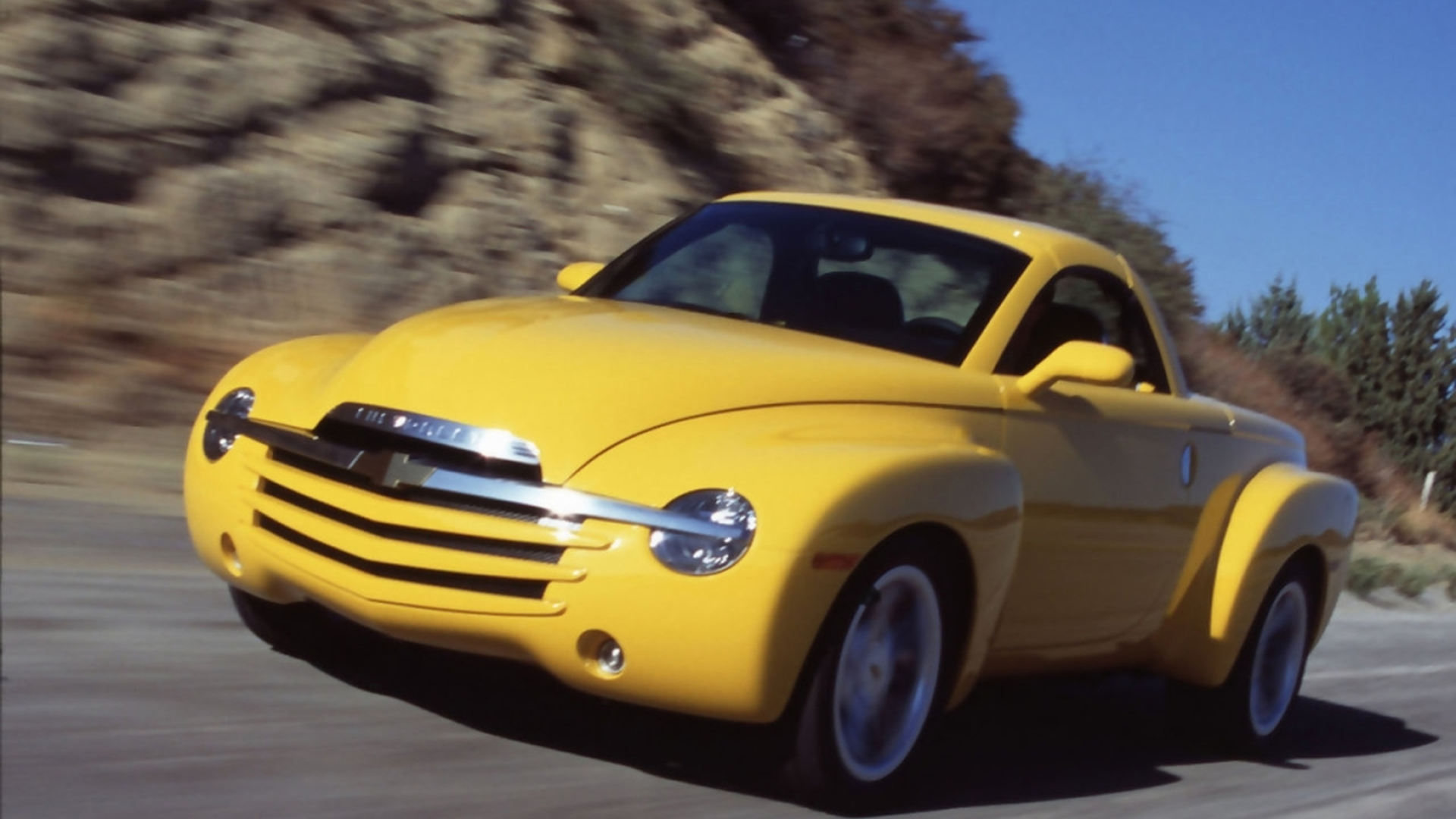
The Genesis of a Factory Hot Rod
General Motors authorized a wildly audacious design experiment at the dawn of the 21st century. They bypassed focus groups entirely and greenlit the production of the Chevrolet SSR. This vehicle completely defies conventional automotive categorization. Engineers fused the massive, sweeping aesthetic of a late-1940s Advance Design pickup truck with a complex power-retractable hardtop and a modern OEM rear-wheel-drive powertrain. The resulting machine stands as a permanent monument to pre-recession automotive optimism, delivering a pure factory hot rod directly to the American public.
Unveiled originally as a conceptual design exercise at the 2000 North American International Auto Show, the aggressive roadster generated overwhelming crowd enthusiasm. Consumer demand forced Chevrolet executives to immediately greenlight a production timeline. Transitioning this radical shape from a stationary fiberglass auto show mockup into a federally compliant, crash-tested production vehicle required monumental engineering capital and unprecedented manufacturing techniques.
The Architectural Foundation: Modifying the GMT360 Platform
Beneath the deeply sculpted exterior, the SSR rides on a heavily modified version of the GMT360 architecture. Chevrolet originally engineered this rugged ladder-frame chassis for the midsize TrailBlazer SUV. Because a convertible configuration intrinsically lacks the vital structural roof element required to tie the A-pillars to the rear body structure, severe torsional flex and cowl shake frequently plague open-top vehicles.
To combat the inherent structural weaknesses of a convertible truck, General Motors engineers shortened the standard TrailBlazer EXT wheelbase and utilized highly advanced hydroformed steel side rails. High-pressure hydraulic fluid expands raw steel tubing directly inside a die, creating continuous frame sections devoid of heavy welded seams.
This critical hydroforming process drastically increased absolute structural rigidity while simultaneously reducing overall curb weight. The engineering team subsequently bolted heavily reinforced tubular crossmembers directly across the ladder frame to completely neutralize chassis twist during aggressive, high-speed cornering. You feel this rigidity the moment you throw the heavy steering wheel into a sweeping freeway offramp.
The Power-Retractable Roof: ASC Engineering
The defining mechanical feature of the Chevrolet SSR remains its highly complex, folding hardtop. Chevrolet partnered directly with American Sunroof Corporation (ASC) to design and manufacture this precise mechanism. Depress a single interior button located firmly on the center console. An intricate mechanical ballet immediately begins.
The primary roof panel automatically detaches from the windshield header, sliding back and stacking neatly over the vertical rear window section. High-torque electric motors and hydraulic actuators then pivot the entire stacked assembly vertically, dropping it smoothly into a specialized, weather-sealed compartment located directly behind the passenger cabin and ahead of the cargo bed. This entire heavy mechanical choreography requires exactly 22 seconds to complete. The system completely preserves the sleek external aerodynamic profile and perfectly seals out extreme wind noise and atmospheric H2O when securely raised in place.
Initial Powertrain Dynamics: The 5.3L LM4 V8
Early 2003 and 2004 production models launched exclusively with the LM4 Vortec 5300 V8 engine. Chevrolet engineers specifically selected the LM4 variant over standard cast-iron truck blocks because it utilized a lightweight cast-aluminum engine block. This critical material choice stripped massive static weight directly off the front axle, significantly improving turn-in response and overall handling balance.
The 5,328 cm3 displacement engine features a deep-skirt aluminum block, pressed-in cast-iron cylinder liners, and sequential multi-port fuel injection. Press the heavy accelerator pedal. The engine smoothly delivers highly predictable, linear thrust. It routes power exclusively through the 4L65-E four-speed automatic transmission. This heavy-duty gearbox utilizes advanced electronic line-pressure control to execute firm, decisive upshifts under heavy throttle application.
- 2003-2004 Engine Configuration
- 5.3-liter (325 cubic inch) LM4 naturally aspirated V8
- Maximum Output (LM4)
- 300 HP @ 5,200 RPM
- Peak Torque (LM4)
- 331 lb-ft @ 4,000 RPM
- Transmission
- 4L65-E 4-speed automatic
- Differential
- Torsen torque-sensing limited-slip with 3.73:1 final drive gearing
The LS2 Revolution: Injecting True Corvette Muscle
Automotive critics initially praised the bold exterior design but heavily criticized the standard 5.3-liter engine. The SSR weighed a massive 4,700 pounds. The LM4 simply lacked the brute force required to propel the heavy roadster with the sheer violence expected from a vehicle wearing aggressive hot rod styling. Chevrolet responded aggressively in the 2005 model year by completely abandoning the 5.3-liter architecture.
Engineers raided the C6 Corvette parts bin and extracted the highly formidable 6.0-liter LS2 V8. This monumental powertrain upgrade completely transformed the fundamental personality of the vehicle. The LS2 utilizes a massive 101.6 mm bore and highly efficient 243-casting aluminum cylinder heads. It forces massive volumes of ambient cold air through a 90mm electronically controlled throttle body. Stomp the right pedal. The aggressive camshaft profile commands the valvetrain, violently converting high-octane fuel and oxygen into pure kinetic energy while venting hot CO2 through the specialized dual exhaust system.
The Tremec T-56 Manual Transmission Experience
To fully harness the raw aggression of the new LS2 powerplant, Chevrolet introduced an optional Tremec T-56 six-speed manual transmission. This exact heavy-duty gearbox handled massive power delivery for the Dodge Viper and the highest-performing Camaros of the era.
The shifter throws feel deeply mechanical, requiring deliberate, heavy physical inputs from the driver. Dropping the heavy hydraulic clutch pedal sends an immediate, visceral shockwave straight down the heavy-duty two-piece steel driveshaft. The massive rear tires break traction instantly on demand. The inclusion of the T-56 officially legitimized the SSR among hardcore American muscle car enthusiasts.
- 2005-2006 Engine Configuration
- 6.0-liter (364 cubic inch) LS2 naturally aspirated V8
- Maximum Output (LS2)
- 390 HP @ 5,400 RPM (Upgraded to 395 HP in 2006 models)
- Peak Torque (LS2)
- 405 lb-ft @ 4,400 RPM
- Manual Gear Ratios (T-56)
- 1st: 2.97, 2nd: 2.07, 3rd: 1.43, 4th: 1.00, 5th: 0.84, 6th: 0.56
- Rear Axle Upgrade
- Heavy-duty 9.5-inch ring gear with optional 4.10:1 ratio (Manual models)
Exhaust Acoustics and High-Flow Breathing
The audible signature of the LS2-equipped SSR immediately commands absolute respect on the boulevard. Engineers specifically tuned the massive dual exhaust system to closely mimic the deep, resonant burble of a 1960s big-block cruiser at low engine speeds. The spent exhaust gasses exit the aluminum cylinder heads through high-flow cast-iron manifolds, pushing aggressively through dual catalytic converters to neutralize harmful emissions.
As the tachometer needle violently swings past 3,500 RPM, the exhaust note completely transforms. The system expels hot combustion gasses through specialized low-restriction mufflers that terminate in massive, chrome-plated dual exhaust tips integrated cleanly into the lower rear fascia. The sound echoes sharply off concrete building walls, bouncing raw V8 aggression directly back into the open passenger cabin.
Suspension Geometry and Braking Infrastructure
Controlling nearly two and a half tons of American V8-powered steel requires substantial chassis engineering. The front suspension utilizes an independent short/long arm (SLA) configuration. This specific control arm geometry minimizes harsh camber changes during heavy suspension compression, keeping the front tire contact patch planted firmly and predictably against the asphalt during tight cornering maneuvers.
The rear architecture relies entirely on a highly rugged solid axle located positively by a specialized five-link trailing arm setup. A heavy-duty lateral panhard rod locates the rear axle laterally, completely preventing dangerous side-to-side axle deflection under violent, wide-open acceleration runs.
Braking Capability and Thermal Dynamics
Slowing this massive, heavy roadster relies entirely on four-wheel heavy-duty disc brakes. The front ventilated rotors measure 12.0 inches in diameter, while the rear rotors measure 12.8 inches. Specialized ceramic brake pads heavily infused with aluminum oxide (Al2O3) provide excellent initial cold-bite characteristics and resist severe thermal fade during repeated, aggressive deceleration. Standard four-channel ABS works flawlessly alongside dynamic rear proportioning software to maintain perfect vehicle stability during high-speed panic stops.
Manufacturing the Deep-Draw Steel Fenders
The overwhelming visual impact of the Chevrolet SSR heavily relies on its massively flared, pontoon-style fenders. Replicating the distinct, flowing curves of a 1940s truck using modern crash-compliant sheet steel presented a massive industrial challenge. Modern sheet metal typically tears or heavily wrinkles when subjected to severe, localized stretching in standard stamping dies.
General Motors specifically contracted highly specialized metal forming companies to execute a rare process known as deep-draw stamping. Massive hydraulic presses slowly and precisely push specialized high-strength steel alloys deep into inverted dies. This precise, expensive manufacturing technique creates the seamless, swelling front and rear fenders that completely define the vehicle's aggressive, low-slung stance.
Staggered Rolling Stock and Unsprung Mass
Chevrolet filled those massive steel wheel arches with aggressively staggered cast-aluminum wheels. The front axle runs 19-inch wheels wrapped in 255/45R19 tires, ensuring highly responsive and communicative steering feedback. The rear axle totally dominates the visual profile with massive 20-inch wheels wearing exceptionally wide 295/40R20 Goodyear Eagle rubber. This staggered configuration actively creates a distinct, forward-raked stance. The incredibly wide rear tires provide the massive mechanical footprint required to successfully hook up the LS2's massive torque output directly to the pavement.
Managing Aerodynamic Turbulence
Driving an open-top vehicle at fast highway speeds typically generates severe wind buffeting and deafening internal cabin noise. Chevrolet engineers spent hundreds of grueling hours inside advanced wind tunnels specifically mitigating these aerodynamic issues.
The sharply raked front windshield utilizes a heavily reinforced upper header that actively acts as a primary wind deflector. This specific windshield angle forces the high-velocity air stream cleanly over the heads of the driver and passenger. Specialized aerodynamic exterior side mirrors and incredibly tight body panel gaps minimize high-frequency wind whistling. Even traveling at 75 miles per hour with the heavy hardtop stowed securely in its rear compartment, occupants can easily maintain normal vocal conversations without shouting over the rushing wind.
The Cargo Bed: Form Over Traditional Utility
Do not confuse the SSR with a traditional utility pickup. You cannot haul a heavy load of rough gravel in this specific machine. The rear cargo area exists purely as a high-end design element. A flush-fitting, rigid fiberglass tonneau cover firmly caps the bed, sealing tightly against weather intrusion and prying eyes.
Unlock the painted tonneau cover via the remote key fob. Dual heavy-duty hydraulic struts smoothly push the heavy lid upward. The interior bed space features specialized carpeted flooring crossed with optional simulated teak wood cargo strips. It functions brilliantly as a massive, highly secure, waterproof trunk for grand touring luggage rather than a utilitarian construction hauling space.
Interior Ergonomics and Retro Design Language
Opening the long, incredibly heavy steel doors reveals a strictly two-seat cockpit purposely designed to maximize emotional driver engagement. A thick, leather-wrapped steering wheel frames a massive retro-styled instrument cluster. Satin silver gauge faces feature bright orange indicator needles, closely mimicking the analog instrumentation of classic 1960s muscle cars.
A prominent, body-color matched waterfall console violently interrupts the center of the cabin, cascading cleanly down between the highly bolstered leather bucket seats. This specific internal styling cue pays direct historical homage to the iconic twin-cove dashboard design of the legendary C1 Corvette. General Motors utilized high-quality materials throughout the primary touchpoints, seamlessly blending modern HVAC climate controls and a high-fidelity Bose premium audio system directly into the retro-themed environment.
Production Legacy and Cult Status
General Motors hand-assembled the SSR at the highly specialized Lansing Craft Centre facility in Michigan. Commercial production officially commenced in late 2003 and abruptly concluded in mid-2006. Total factory production barely eclipsed 24,000 units over the entire four-year lifespan.
Several distinct factors contributed directly to its early demise. The original 2003 base price heavily eclipsed $42,000, completely alienating the standard commercial truck buying demographic. The early 5.3L engine lacked the necessary aggression. By the time Chevrolet correctly installed the highly desirable LS2 and the Tremec manual transmission, general public interest had already shifted dramatically.
The Lansing Craft Centre produced the absolute final Chevrolet SSR on March 17, 2006. Its unique Tuxedo Black over Silver two-tone paint scheme marked the permanent end of this highly audacious automotive chapter.
Appreciation in the Modern Era
Decades after the final unit rolled off the Michigan assembly line, the Chevrolet SSR enjoys a highly dedicated, fanatical enthusiast following. The specific late-run models equipped with the 6.0L LS2 and the Tremec T-56 manual transmission command serious financial premiums at high-end classic car auctions across the country. These later models represent the ultimate, unflawed mechanical realization of the original concept car.
The sheer audacity of the SSR guarantees its permanent place in deep American automotive history. Modern automakers, entirely focused on aerodynamic efficiency and heavily electrified platform sharing, will likely never again greenlight such an uncompromising, highly stylized, rear-wheel-drive V8 roadster truck. The Chevrolet SSR stands alone. It strictly represents a brief, beautiful moment when passionate automotive designers completely overpowered cautious corporate accountants, resulting in an unforgettable, tire-smoking American classic.