
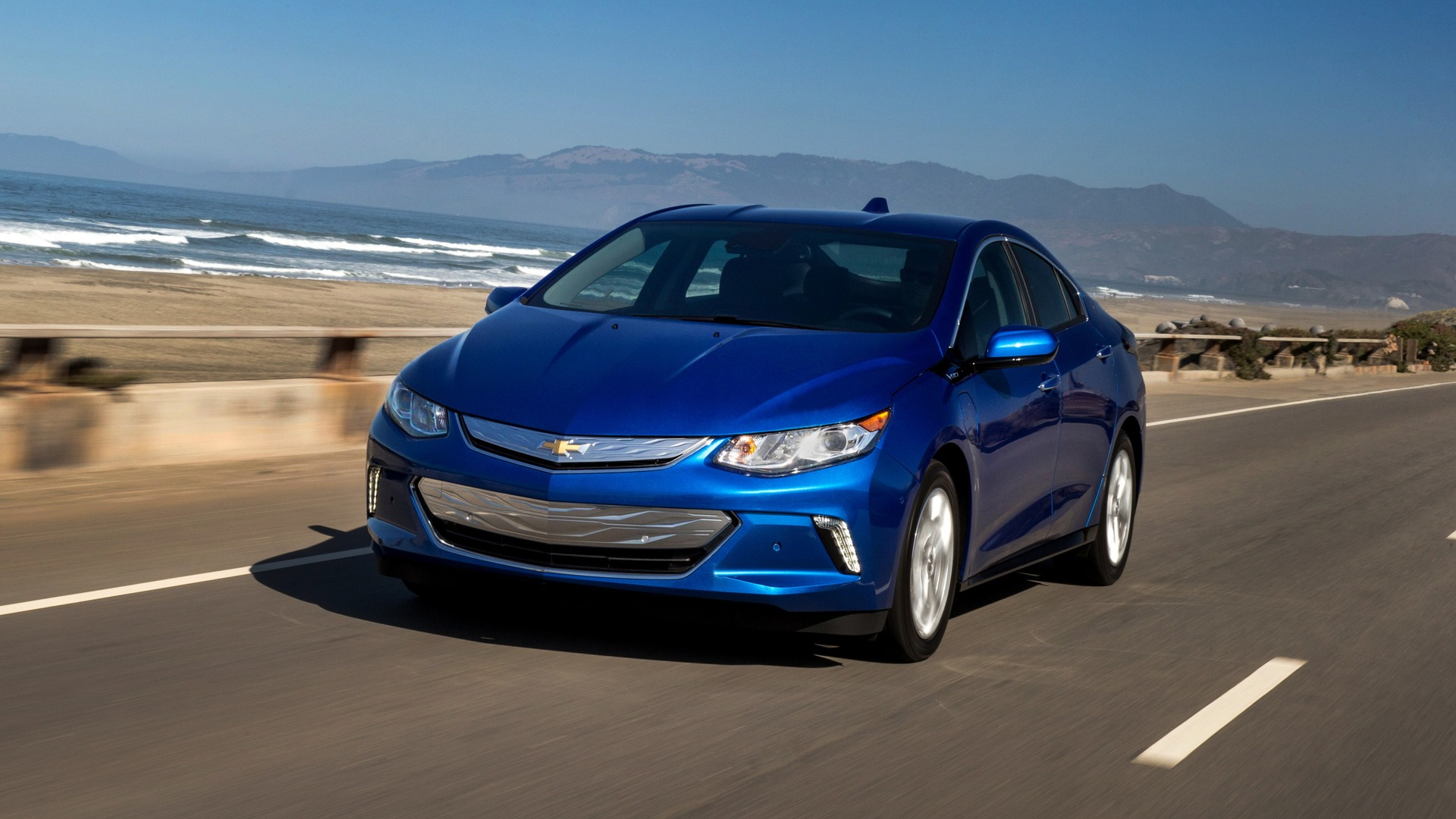
The Genesis of the Voltec Powertrain
General Motors engineers didn't just build another hybrid; they conceptualized an entirely new category known as the EREV. While traditional hybrids rely on gasoline engines to assist electric motors, the Volt flipped the script. It prioritizes its electric drive unit at all times. This fundamental shift required a massive investment in battery chemistry and power electronics, resulting in the highly complex Voltec system. The core of this system is a high-voltage battery pack paired with two electric motors and a gasoline-powered range extender. This isn't a secondary backup; it's a sophisticated energy management strategy designed to maximize electrons over fossil fuels.
Engineers focused heavily on the driver's psychological transition to electricity. They knew that for the Volt to succeed, it had to feel like a real car, not a science project. The instant torque of the electric motors provides a silent, linear surge of power. Merging onto a Texas highway or navigating a steep incline in San Francisco feels effortless because the motor doesn't need to 'shift' or wait for a turbocharger to spool. It simply reacts. This immediate response is the hallmark of the Volt experience.
First Generation Engineering (2011-2015)
The first-generation Volt utilized a T-shaped lithium-ion battery pack nestled low in the chassis. This design served two purposes: it kept the center of gravity low for better handling and protected the cells within the structural safety cage of the vehicle. This pack initially offered 16 kWh of energy, utilizing manganese-spinel chemistry provided by LG Chem. To ensure the battery lasted the life of the car, engineers implemented a conservative 'buffer' strategy, only allowing the car to use a portion of the total capacity. This prevented deep discharge cycles that typically kill lithium-ion cells.
When the battery reaches its minimum state of charge, the 1.4-liter naturally aspirated engine wakes up. It doesn't drive the wheels directly through a traditional transmission in most scenarios. Instead, it spins a generator to provide electricity to the traction motor. It is a seamless handoff. Most drivers barely notice the transition beyond a faint hum from the engine bay.
The Volt's thermal management system is a masterclass in longevity. It uses an active liquid cooling and heating loop to keep the battery cells within a narrow temperature window. Whether it is a 110°F afternoon in Arizona or a sub-zero morning in Michigan, the system ensures the chemistry remains stable and efficient.
First Generation Technical Specifications
- Battery Capacity
- 16.0 to 17.1 kWh Lithium-ion (depending on model year)
- Range Extender
- 1.4L LUU Inline-4 (84 hp)
- Electric Motor Output
- 111 kW (149 hp) / 273 lb-ft of torque
- Aerodynamic Drag
- 0.28 Cd
- Charging Time
- Approx. 4 hours at 240V / 10-12 hours at 120V
Second Generation Evolution (2016-2019)
Chevrolet listened to thousands of owners when designing the J1 second-generation Volt. The mandate was clear: more range, better efficiency, and a fifth seat. Engineers delivered a total overhaul. The new 18.4 kWh battery pack was lighter by 20 pounds despite holding more energy. They refined the cell chemistry to improve energy density, which allowed the Volt to achieve an EPA-rated 53 miles of pure electric range. For the average American commuter, this meant the gasoline engine might not turn on for months at a time.
The powertrain also saw a significant hardware change. The new 1.5-liter range extender utilized direct injection and a higher compression ratio. More importantly, the two-motor drive unit was redesigned to be 100 pounds lighter. Both motors can now operate together in many more driving scenarios, which improved 0-30 MPH acceleration by 19 percent. It feels punchy and eager in urban environments. The transmission, if you can call it that, is a complex arrangement of planetary gears and clutches that can even allow the gasoline engine to assist in driving the wheels at high speeds for maximum efficiency.
Regen on Demand and Driving Dynamics
One of the most praised features introduced in the second generation is the 'Regen on Demand' paddle located behind the steering wheel. It allows the driver to manually initiate regenerative braking without touching the brake pedal. Pulling the paddle increases the magnetic resistance in the electric motor, converting the car's kinetic energy back into electricity for the battery. It creates a game-like engagement for the driver, who can slow down for a red light while simultaneously 'filling the tank' with free energy. This system significantly reduces wear on the traditional friction brakes, often allowing them to last over 100,000 miles.
The suspension tuning remains firm but compliant. Because of the heavy battery pack located low in the frame, the Volt feels planted during high-speed cornering. It lacks the 'floaty' feel common in many economy cars. The electric power steering is tuned for a direct feel, communicating exactly what the front tires are doing on the pavement. It is a car that rewards a smooth driving style, encouraging the driver to maintain momentum and maximize the efficiency of the Voltec system.
Second Generation Technical Specifications
- Battery Capacity
- 18.4 kWh Lithium-ion
- Range Extender
- 1.5L L3A Direct-Injected Inline-4 (101 hp)
- Combined Electric Range
- 53 Miles (EPA Estimated)
- Total Driving Range
- 420 Miles
- Torque Output
- 294 lb-ft (Instantaneous)
Aerodynamic Mastery and Cabin Quietness
Efficiency in an electric vehicle is a battle against the wind. The Volt's exterior is a product of thousands of hours in the wind tunnel. The closed-off upper grille, the sharp 'flick' in the taillights, and the flat underbody panels all work together to minimize turbulence. This helps the car slip through the air with minimal effort, but it also has a secondary benefit: silence. Without the roar of a gasoline engine or the whistle of wind around the mirrors, the Volt cabin is exceptionally hushed.
Interior engineers used specialized sound-deadening materials and acoustic-laminated glass to further isolate the occupants. This quietness elevates the perception of quality. In an era where many compact cars feel tinny, the Volt feels substantial. The dashboard features dual high-resolution screens that provide a wealth of data. Drivers can monitor power flow in real-time, seeing exactly how much energy is coming from the battery versus the regenerative braking system. It turns driving into an exercise in efficiency.
The Legacy of the Volt
General Motors discontinued the Volt in 2019, but its impact on the industry remains profound. It proved that a large-scale manufacturer could produce a reliable, technologically advanced electric vehicle that fit into people's lives without compromise. The lessons learned from the Volt's battery thermal management and power electronics paved the way for the Bolt BEV and the subsequent Ultium platform. It remains a cult favorite in the used car market, highly sought after by those who want the benefits of an EV but still need the flexibility of a gasoline backup for the occasional cross-country road trip.
The Volt wasn't just a car; it was an engineering statement. It showed that the transition to electricity didn't have to be painful or limited by charging infrastructure. By providing a 'safety net' of gasoline, Chevrolet allowed a generation of drivers to experience the thrill and silence of electric torque for the first time. The Volt's 1.5-liter engine and its electric heart represent a pivotal moment in the 21st-century automotive narrative.
While production has ceased, the Volt continues to roam American highways as a symbol of 'right-sized' electrification. Its 420-mile total range and 100+ MPGe ratings remain competitive even years after the last unit rolled off the assembly line at the Detroit-Hamtramck plant. It stands as a pinnacle of American engineering during a time of immense technological flux.