
The Euro-Hybrid Experiment
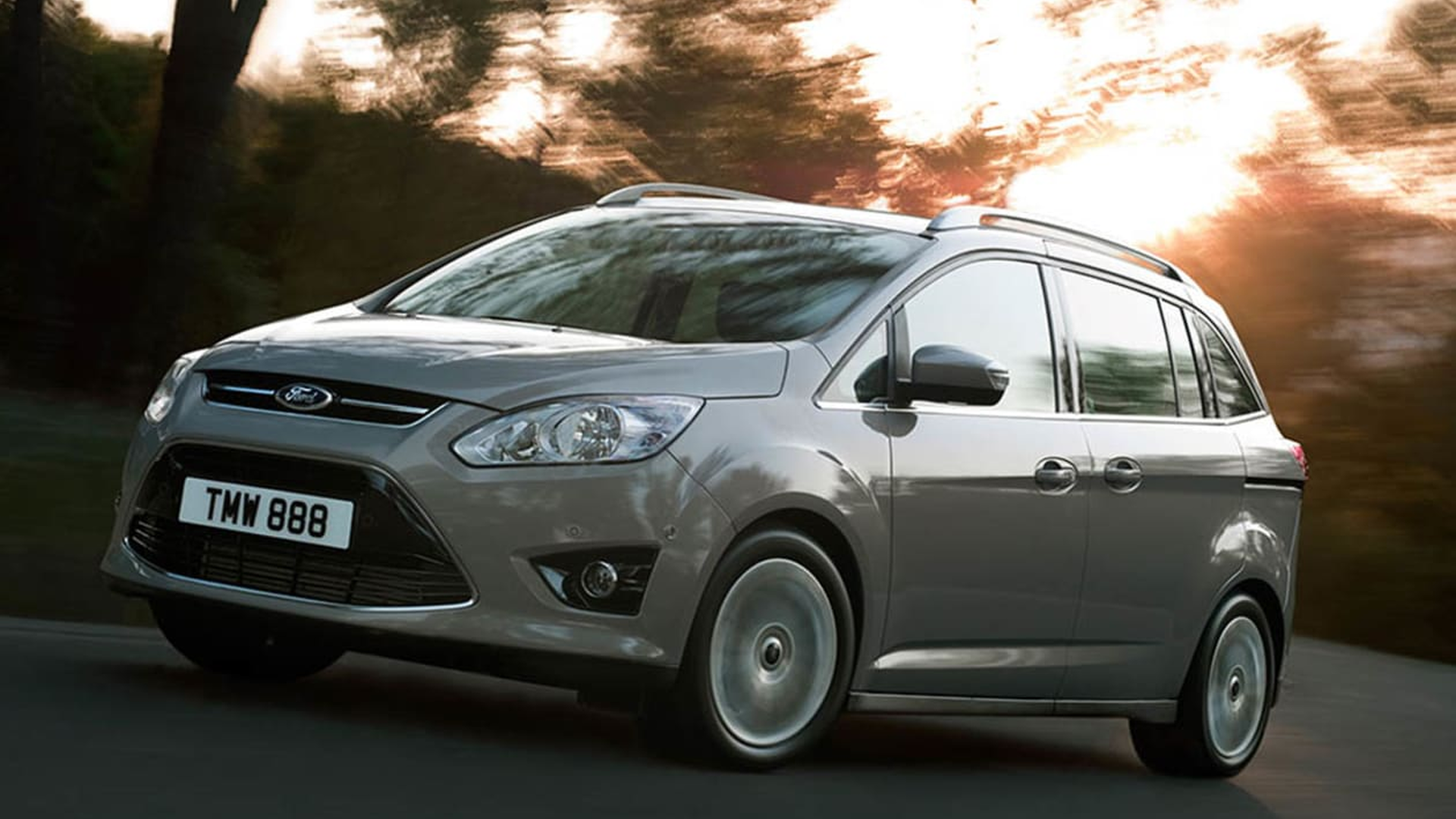
In 2012, the Toyota Prius was unstoppable. It defined the hybrid segment. Ford wanted a piece of that action, but they didn't want to build a boring appliance. Their answer was the Ford C-Max. Unlike the Fusion Hybrid (a sedan) or the Escape Hybrid (an SUV), the C-Max was a Multi-Activity Vehicle (MAV)âEuropean code for a tall hatchback or compact minivan.
When you browse the C-Max listings on Hugegarage, you are looking at a vehicle with a split identity. In Europe, it was sold with diesel and gas engines as a practical family hauler. In North America, it was sold exclusively as a dedicated electrified vehicle: the standard Hybrid (HEV) and the plug-in Energi (PHEV). It was designed for people who wanted to save the planet but didn't want to fall asleep behind the wheel.
The 47 MPG Controversy: The C-Max is famous for a marketing blunder. At launch, Ford advertised it as achieving 47 MPG City / 47 MPG Highway. Real-world drivers couldn't get close to that. After a class-action lawsuit and EPA investigation, Ford was forced to lower the rating twice, eventually settling around 42 MPG city / 38 MPG highway. While still efficient, the scandal hurt the car's reputation early on.
Engineering: The Focus Connection
The secret to the C-Max's appeal is the Global C Platform. It shares its chassis with the Mk3 Ford Focus.
The Result: The C-Max has heavy, precise steering, excellent brake feel (rare for a hybrid), and a suspension that stays flat in corners. It feels solid and German, a stark contrast to the flimsy, lightweight feel of a contemporary Prius V.
Powertrains: Hybrid vs. Energi
Both versions used the same internal combustion engine, but the electrification differed.
The Engine
2.0L Atkinson-Cycle Inline-4: A non-turbo engine designed for maximum efficiency. Combined with the electric motor, total system output was 188 Horsepower. This made the C-Max significantly faster than the Prius (134 HP), hitting 0-60 in about 8 seconds.
1. The C-Max Hybrid (HEV)
Battery: 1.4 kWh Lithium-Ion.
Operation: A traditional hybrid. You fill it with gas, and it charges itself through regenerative braking and the engine.
Cargo: The battery is tucked under the floor, offering a flat load floor and 24.5 cubic feet of space behind the rear seats.
2. The C-Max Energi (PHEV)
Battery: 7.6 kWh Lithium-Ion.
Electric Range: Rated at roughly 20 miles of pure electric driving before the gas engine kicks in.
The Flaw: To fit the larger battery, Ford simply stacked it in the trunk. This created a massive shelf that ate up roughly 5 cubic feet of cargo space and made it impossible to slide heavy items in flat. It was a major packaging compromise.
The Transmission: HF35
Ford developed its own hybrid transmission, the HF35 eCVT (Electronic Continuously Variable Transmission), to replace the Aisin units used in previous hybrids.
It uses two electric motors (one for traction, one for generation) and a planetary gearset. Conceptually, it is bulletproof (no belts or chains to break). However, early models (2013-2015) had issues with the Transfer Shaft Bearing failing, causing a loud whining noise. Ford updated the part in later years.
Interior: The High Roof Advantage
Because it was designed as a European MPV, the C-Max feels massive inside.
Headroom: The tall roofline allows for an upright seating position (chair-like), which is excellent for older drivers or those with bad backs.
Visibility: Massive windows and small A-pillar quarter windows provide a panoramic view of the road.
Trim Levels
- SE: The base model. Cloth seats, 17-inch alloy wheels, dual-zone climate control. Well-equipped for a base car.
- SEL / Titanium: Added leather seats, push-button start, the power liftgate (foot-activated), and the SYNC 3 infotainment system (in 2016+ models).
Common Issues Maintenance
1. The 12V Battery Drain
A notorious issue on early models. The complex electronics would sometimes fail to sleep properly, draining the small 12V accessory battery overnight. Ford issued several software updates (PCM/BCM) to address this.
2. Transmission Bearing Noise
As mentioned, listen for a trolley car whine or grinding noise when driving at highway speeds. This indicates the transfer shaft bearing is failing inside the eCVT.
3. SYNC 2 vs. SYNC 3
Models from 2013-2015 used MyFord Touch (SYNC 2), which is slow and resistive.
Models from 2016-2018 used SYNC 3, which is fast, capacitive, and supports Apple CarPlay/Android Auto. Buying a 2016+ model is highly recommended for the tech upgrade alone.
Why Was It Discontinued?
The C-Max was a victim of the SUV boom. American buyers preferred the Ford Escape, which looked more rugged and offered AWD (the C-Max was FWD only). Additionally, the sedan-based Fusion Energi offered the same powertrain in a sleeker package. Ford pulled the plug on the US C-Max in 2018, ending the MPV experiment.
Conclusion: The Smart Used Buy
Today, the Ford C-Max is one of the best values on the used market. Because it lacks the brand recognition of the Prius and the sex appeal of an SUV, it depreciates heavily. This is great news for buyers. You can get a reliable, fun-to-drive hybrid with European build quality for significantly less than a comparable Toyota. Just be sure to check the transmission history and, if buying an Energi, make sure you can live with the trunk hump. Explore the specs below.