
The Six Billion Dollar Gamble
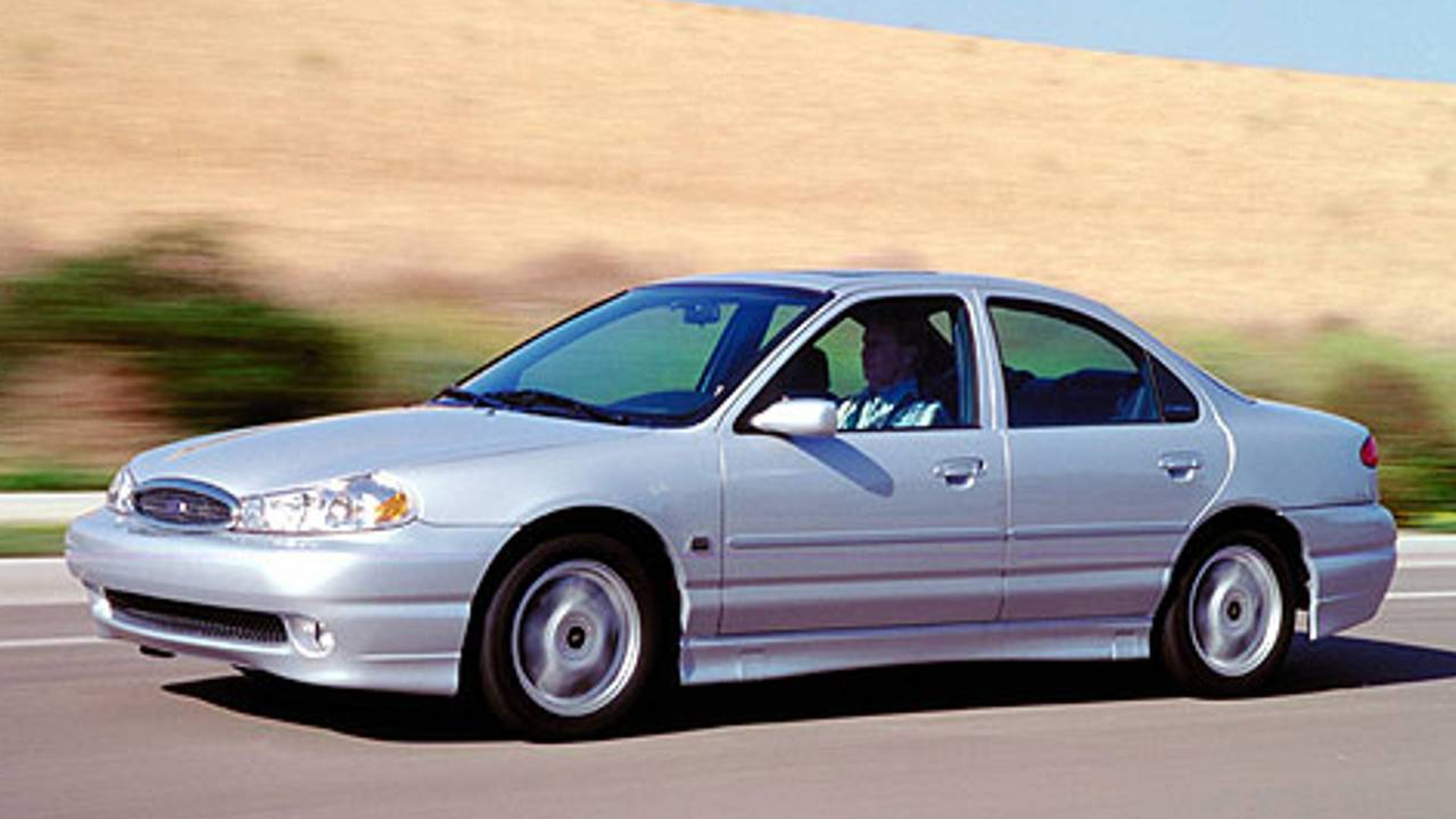
In the mid-90s, Ford launched a project codenamed CDW27. The goal was ambitious: build a single car that could be sold in Europe (as the Mondeo) and North America (as the Contour and Mercury Mystique). Ford spent $6 billion developing itâmore than the original Boeing 747 program cost. The result was the 1995 Ford Contour. It was lightyears ahead of the Tempo it replaced. It had a stiff chassis, independent rear suspension, and available traction control. Car magazines praised it as an American BMW. But there was a problem: it was too small for American tastes, especially in the back seat.
When you browse the Contour listings on Hugegarage, you are finding a car that prioritizes driving dynamics over utility. It is a driver's car in a segment usually filled with boring appliances. A well-maintained Contour V6 with a manual transmission is genuinely fun to drive on a back road, offering a level of feedback that modern electric steering systems have lost.
The Midnight Blue SVT: The SVT Contour (Special Vehicle Team) is the holy grail. Introduced in 1998, it featured a tuned 2.5L V6 (195-200 HP), distinct bodywork, and suspension tuned by Jackie Stewart (yes, the F1 champion). It is widely considered one of the best front-wheel-drive performance sedans of the 90s.
Engineering: The Duratec Revolution
The Contour introduced the world to the Duratec engine family.
- 2.0L Zetec Inline-4
- Specs: 125 HP.
The Verdict: Reliable and peppy. The standard engine for the GL and LX trims. It used a timing belt which requires changing every 60-80k miles. - 2.5L Duratec V6
- Specs: 170 HP (SE/GLS).
The Verdict: This all-aluminum, DOHC V6 was a jewel. It was smooth, high-revving, and sounded fantastic. However, packaging was tight. Changing the alternator or rear spark plugs on this V6 is a mechanic's nightmare due to the cramped engine bay.
The Three Phases
- 1995-1997 (Pre-Facelift): Distinguished by the chrome oval grille and bug eye headlights. These models had the tightest rear legroom.
- 1998-2000 (Post-Facelift): Ford tried to fix the complaints. They scooped out the backs of the front seats to add an inch of rear legroom, enlarged the grille, and added larger headlights. The SVT arrived during this phase.
The Wiring Harness Nightmare
Hugegarage Technical Alert: Early Contours (1995-1996) suffer from a critical flaw known as Eco-Junk Wiring. Ford used a biodegradable insulation on the engine wiring harness.
The Failure: The insulation cracks and falls off due to engine heat, causing bare wires to touch. This leads to short circuits, blown fuses, and even engine fires.
The Fix: Inspect the wiring near the injectors. If the insulation is crumbling, the entire harness must be replaced or re-wrapped. 1998+ models generally used improved insulation.
The Water Pump Impeller
The 2.5L V6 used a water pump with a plastic impeller. Over time, the plastic becomes brittle and shatters, causing the engine to overheat instantly. Replacing it with a unit featuring a metal impeller is mandatory preventative maintenance.
The Dashboard Peel
On almost every surviving Contour, the dashboard defroster panel peels up near the windshield due to sun exposure and poor adhesive. It's a cosmetic nuisance that is nearly impossible to fix permanently without replacing the entire dash.
Why Was It Cancelled?
The Contour was stuck in the middle. It was more expensive than an Escort but smaller inside than a Taurus. American buyers wanting a sedan simply bought the larger Taurus. In 2000, Ford discontinued the Contour to make room for the larger, more American-sized Ford Fusion (eventually) and the taller Focus.
Conclusion: The Forgotten Sport Sedan
The Ford Contour was a car ahead of its time and misplaced on the map. It was too European for 1990s America. Today, the standard models are largely extinct, but the SVT Contour remains a legitimate collector car. If you can find one that hasn't been abused, you get a 200-horsepower V6 manual sedan that handles like a go-kart for a fraction of the price of a Honda Civic Si. Just check that wiring harness. Explore the specs below.