
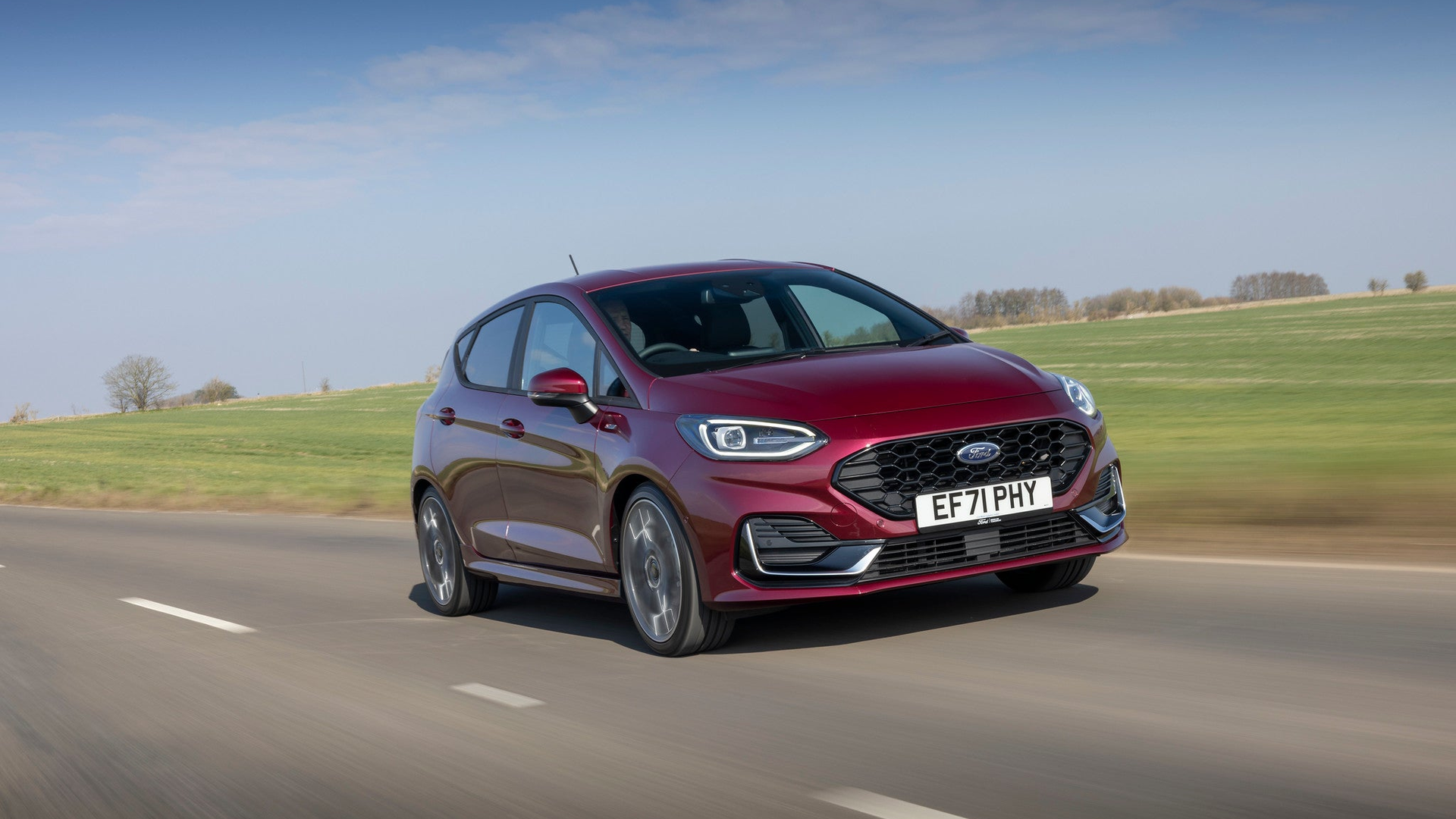
The Small Car with a Big Heart
In a land dominated by massive SUVs and pickup trucks, the Ford Fiesta dared to be small. But unlike the econoboxes of the 1990s that were essentially appliances of misery, the modern Fiesta (introduced to the US in 2011) was engineered by Ford of Europe. This meant it had a stiff chassis, precise steering, and a suspension tuned for twisting B-roads rather than straight interstate highways. It brought joy to the rental car lot and the daily commute alike.
When you browse the Fiesta listings on Hugegarage, you are navigating a minefield of potential mechanical issues versus immense driving pleasure. The difference between a do not buy verdict and a future classic verdict comes down to one specific component: the transmission. This guide will help you distinguish the gems from the lemons.
The Global Nomad: The Fiesta nameplate has existed since 1976. It briefly appeared in the US from 1978 to 1980 before vanishing for 30 years. When it returned in 2011 (as the Mark VI), it was part of the One Ford strategy, bringing the exact same car sold in London and Berlin to Los Angeles and New York.
The Engine Menu: Efficiency vs. Adrenaline
The US-market Fiesta offered three distinct engine personalities.
1. 1.6L Ti-VCT (The Standard)
Specs: 120 HP / 112 lb-ft Torque.
Verdict: The base engine found in S, SE, and Titanium trims. It is simple, naturally aspirated, and reliable. It isn't fast (0-60 in about 9.5 seconds), but it is eager to rev. It uses a timing belt that needs replacement every 100,000 miles.
2. 1.0L EcoBoost (The Engineering Marvel)
Specs: 123 HP / 125 lb-ft Torque.
Configuration: Turbocharged Inline-3 Cylinder.
Verdict: A fascinating engine. The block is small enough to fit in a carry-on suitcase. It punches well above its weight, offering more torque than the 1.6L and superior fuel economy (40+ MPG). However, like the EcoSport, it uses a Wet Belt oil pump drive. If not maintained with the specific Ford oil, this belt can degrade and destroy the engine.
3. 1.6L EcoBoost (The ST Legend)
Specs: 197 HP / 202 lb-ft Torque.
Exclusive to: Fiesta ST.
Verdict: One of the best engines Ford ever built. It turns the lightweight Fiesta into a rocket. It features an Overboost function that provides 15 seconds of extra torque for passing.
The Critical Warning: Powershift Transmission (DPS6)
This is the most important section of this article.
From 2011 to 2019, the automatic Fiestas used the DPS6 Powershift Transmission.
What is it? A Dry Dual-Clutch Transmission (DCT). Unlike a regular automatic with a torque converter (fluid coupling), this uses computer-controlled clutches.
- The Problem
- The dry clutches overheat in stop-and-go traffic. The seals on the input shaft fail, leaking oil onto the dry clutches. The Transmission Control Module (TCM) fails electronically.
- The Symptoms
- Violent shuddering when accelerating from a stop. Crunching noises. Sudden loss of neutral or reverse. The car feels like a teenager learning to drive a stick shift.
- Hugegarage Advice
- DO NOT BUY an automatic Fiesta unless you have proof that the clutches and TCM have been replaced recently, and even then, proceed with caution. The manual transmission versions are immune to these issues.
The Fiesta ST: The FiST
While the automatic base models are a liability, the Fiesta ST is a hero. Sold only with a 6-speed manual, it is widely considered one of the best Hot Hatches of all time.
- Suspension: Lowered, stiffened, and equipped with a unique twist-beam rear axle that encourages tripod cornering (lifting a rear wheel).
- Torque Vectoring: The car brakes the inside front wheel in a corner to rotate the car, simulating a limited-slip differential.
- Recaro Seats: Massive, heavily bolstered seats that hug you in corners. Warning: They are tight for larger drivers.
- Sound Symposer: A tube that pipes actual engine intake noise into the cabin for a throaty growl.
Interior Tech
The Fiesta is small.
Rear Seat: Legroom is tight (31.2 inches). It is strictly for small children or short trips for adults.
Cargo: The sedan has a massive trunk for its size, but the hatchback is more practical. Fold the seats down, and you have 26 cubic feet of space.
SYNC:
- 2011-2013: The button heavy alien head dashboard. Confusing to use.
- 2014-2015: MyFord Touch (resistive screen). Slow.
- 2016+: SYNC 3 (capacitive screen). Excellent. Supports Apple CarPlay/Android Auto.
Buyer's Guide: Trim Strategy
S (The Penal Box)
Manual windows, steel wheels, no armrest. Only buy this if you need the cheapest possible transportation.
SE (The Value)
Alloy wheels, ambient lighting, cruise control. The most common trim. Look for the 1.0L EcoBoost Manual package (SFE) for the best fuel economy.
Titanium (The Mini-Luxe)
Leather seats, push-button start, rearview camera (before it was mandated), and Sony audio. A manual Titanium is a rare and lovely daily driver.
ST (The Toy)
If you enjoy driving, buy the ST. Prices are bottoming out, and they will eventually appreciate as modern cars become heavier and more electrified. Look for unmodded examples; many have been abused with cheap aftermarket tunes.
Maintenance Quirks
1. Blend Door Actuators
A classic Ford problem. A clicking noise from behind the dashboard means the plastic gear that controls the AC/Heat airflow has stripped. It is a cheap part ($30) but a pain to replace.
2. Swollen Lug Nuts
Ford used two-piece lug nuts (a steel nut with a chrome cap). Moisture gets between the layers, causing the nut to swell. The standard 19mm wrench won't fit when you have a flat tire. Replace them with solid one-piece lug nuts immediately.
Conclusion: Choose Your Pedals Wisely
The Ford Fiesta is a tale of two cars. The automatic version is a flawed experiment that resulted in class-action lawsuits. The manual version is a brilliant, durable, and incredibly fun piece of engineering. If you can drive a stick shift, the Fiesta (especially the ST) is arguably the best value-for-money car on the used market today. It offers a level of chassis refinement that Honda and Toyota simply didn't bother to match in this segment. Explore the specs below.