
The Democratization of Power
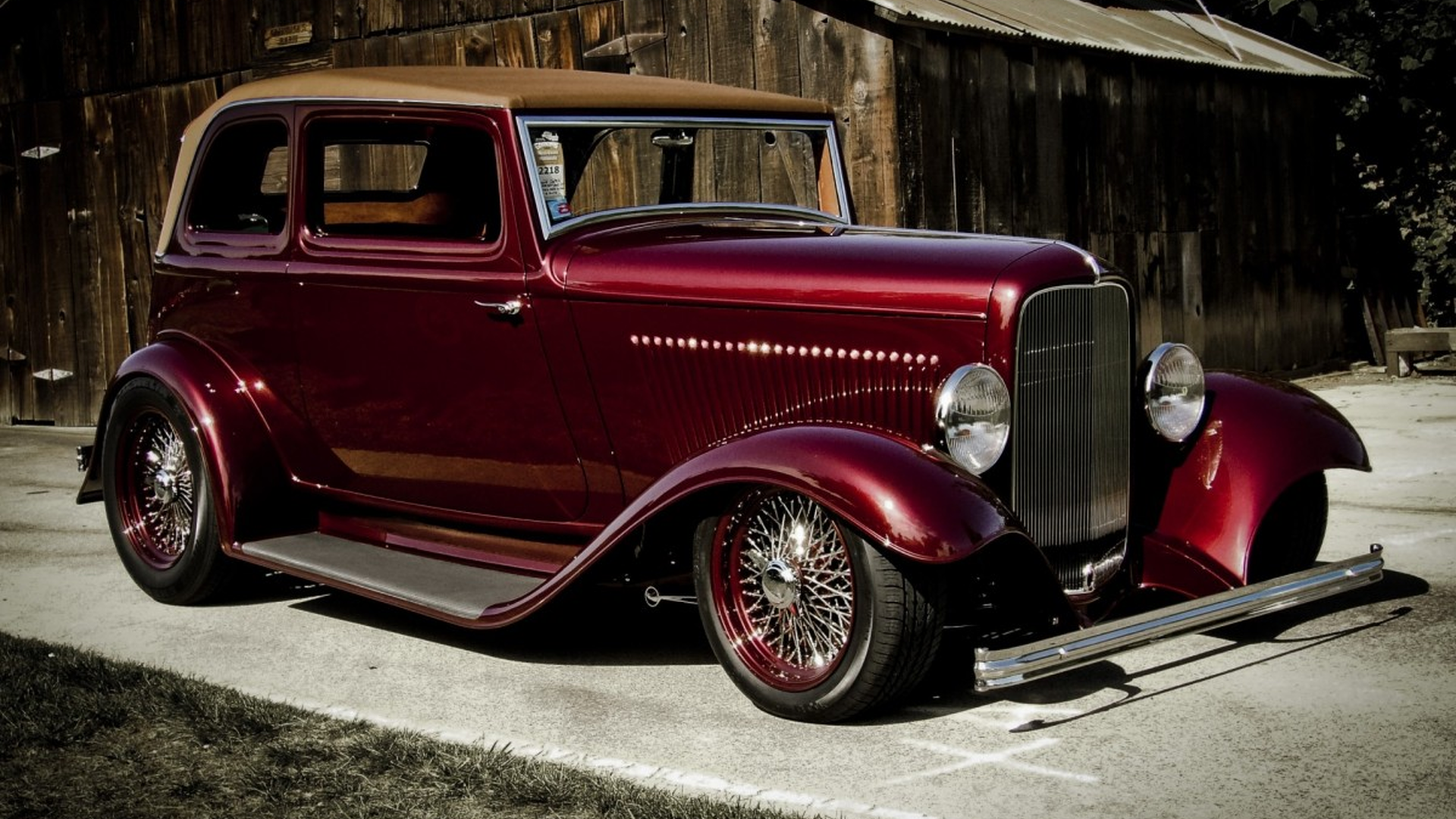
In 1932, the Great Depression was in full swing, and buying a car seemed like a luxury. Yet, Henry Ford did something audacious. He took the smooth, multi-cylinder power that was previously reserved for luxury cars like Cadillacs and Lincolns, and put it in a car that cost $460. This was the Model 18, featuring the world's first mass-produced monolithic V8 block. Alongside it was the Model B, an updated 4-cylinder version for the conservative buyer. Together, they formed the 1932 Ford lineup, a single-year body style that would become the most modified, raced, and celebrated vehicle in history.
When you browse the 1932 Ford listings on Hugegarage, you are looking at the genesis of the Hot Rod. Because these cars were cheap, lightweight, and possessed an engine that responded wildly to tuning, they became the weapon of choice for dry lake racers in the 1940s and drag racers in the 1950s. To drive a '32 Ford today is to hold a direct line to the birth of American car culture.
The Bonnie and Clyde Letter: The V8 was so fast that it allegedly earned the praise of America's most famous outlaws. A letter attributed to Clyde Barrow, sent to Henry Ford in 1934, read: I have drove Fords exclusively when I could get away with one. For sustained speed and freedom from trouble the Ford has got every other car skinned. While the authenticity is debated, the sentiment was real: The V8 was the ultimate getaway car.
Model B vs. Model 18: What's the Difference?
Visually, the cars are nearly identical, but the badging tells the story.
- Model B (The 4-Cylinder): Powered by an improved version of the Model A's inline-4. It produced 50 HP. These cars are rarer today because hot rodders threw the engines away to swap in V8s.
- Model 18 (The V8): The legend. It featured the V8 emblem on the headlight bar and hubcaps.
The Flathead V8: An Engineering Miracle
Before 1932, V8 engines were built in multiple pieces bolted together. Ford engineers found a way to cast the block and crankcase as a single unit.
- Engine Type
- 90-degree L-head V8
- Displacement
- 221 cubic inches (3.6L)
- Horsepower
- 65 HP @ 3,400 RPM (Stock)
- The Hot Rod Potential
- The Flathead was choked by its factory exhaust and intake. Simply adding headers and a dual-carburetor intake manifold could nearly double the horsepower. This ease of modification created the aftermarket parts industry (Edelbrock, Offenhauser, Iskenderian).
The "Deuce" Body Styles
The 1932 Ford (Deuce) is unique because it was a one-year-only design. The grille shell is iconicâvertical bars with a slight spade shape.
3-Window Coupe
The hot rodder's favorite. It has two suicide doors (hinged at the rear) and a smaller, sleeker cabin. It is the definitive ZZ Top car.
5-Window Coupe
Features two standard doors and small quarter windows behind them. It has a slightly larger cabin. Famous as the yellow coupe in the movie American Graffiti.
Roadster
The convertible with no side windows. The lightest and cheapest model ($460 new). These were the preferred choice for land speed racing on the Bonneville Salt Flats.
Tudor Fordor Sedans
The family haulers. While less valuable than the coupes, they are becoming popular today as hot rod sedans because they can actually fit four people.
Mechanical Quirks
Driving a stock 1932 Ford requires patience.
- Mechanical Brakes: Like the Model A, the '32 used mechanical rod brakes. They are notoriously weak for a 65 MPH car. Most modern builds upgrade to 1940 Ford hydraulic brakes ("Juice Brakes").
- Transverse Leaf Springs: The buggy spring suspension (one spring across the front axle, one across the rear) gives the car a bouncy ride but allows for significant articulation.
Conclusion: The Icon
The 1932 Ford Model B and Model 18 are more than just antiques; they are the canvas upon which American speed was painted. Whether you prefer a bone-stock restoration with a whispering Flathead or a chopped-top highboy with a roaring V8, the '32 Ford commands respect everywhere it goes. It represents the moment Ford proved that performance belonged to the people. Explore the specs below.