
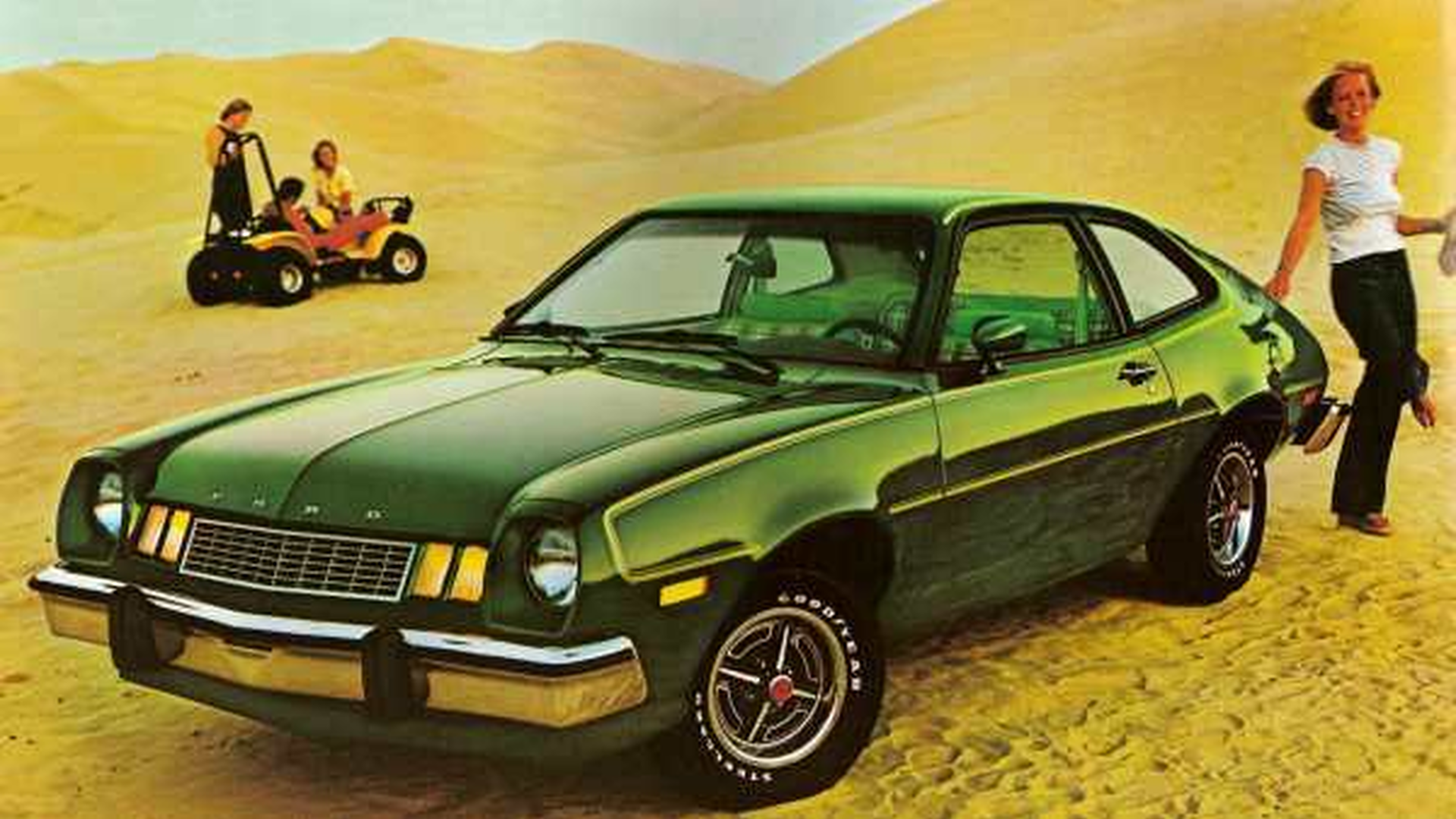
The Car That Cost $2,000 (And a Reputation)
In 1971, Lee Iacocca wanted a car that weighed under 2,000 pounds and cost under $2,000. He got the Ford Pinto. It was an immediate smash hit, selling over 3 million units in ten years. It was cute, thrifty, and handled surprisingly well thanks to its rack-and-pinion steering (a novelty at the time). But today, nobody talks about how well it sold. They talk about the "Pinto Memo."
When you browse the Pinto listings on Hugegarage, you are looking at a car that is more famous for its legal history than its mechanicals. The scandal surrounding its fuel tank placementâand Ford's calculation of the cost of lawsuits versus the cost of a $11 plastic shieldâchanged corporate liability laws forever. Yet, for collectors, a surviving Pinto is a rare and quirky artifact of the 70s, often surprisingly fun to drive if the safety recall has been performed.
The "Pinto Memo" Myth: The infamous memo titled "Fatalities Associated with Crash Induced Fuel Leakage and Fires" was real, but it wasn't actually about the Pinto specifically. It was a cost-benefit analysis of all US cars for a proposed rollover standard. Regardless, the public connected it to the Pinto, cementing its reputation as a fiery deathtrap.
The Design Flaw: What Actually Happened?
The Pinto's fuel tank was located behind the rear axle, with very little structure protecting it.
The Issue: In a rear-end collision over 30 MPH, the differential housing bolts could puncture the tank, spraying fuel everywhere.
The Recall: In 1978, Ford recalled 1.5 million Pintos to install plastic shields around the tank.
Hugegarage Advice: If you buy a Pinto, verify that the recall shields are installed or fit a modern fuel cell.
The Bright Side: The 2.3L "Lima" Engine
While the body was controversial, the engine was a masterpiece.
The 2.3L OHC: Introduced in 1974, this overhead-cam 4-cylinder engine (known as the "Lima" engine) was bulletproof. It was so good that Ford used it in the Mustang SVO, the Thunderbird Turbo Coupe, and the Ranger pickup until 2001. It is the grandfather of the modern EcoBoost.
The Body Styles
- The Sedan: The 2-door "trunk" model. The least popular.
- The Runabout: The 3-door hatchback with the all-glass rear hatch. This was the icon.
- The Wagon: The "Pinto Squire" wagon with fake wood paneling is arguably the coolest version today.
The Cruising Wagon: A panel van version with a porthole window, designed for the "shagging wagon" craze of the late 70s.
The Pinto Pangra
Believe it or not, there was a high-performance Pinto sold by Huntington Ford in California. The Pangra featured a turbocharged engine, custom fiberglass nose, and Recaro seats. It is the "Shelby Mustang" of the Pinto world and incredibly valuable.
Conclusion: A misunderstood Classic
Is the Pinto dangerous? By modern standards, yes. Is it more dangerous than a VW Beetle or a Chevy Vega of the same era? Probably not significantly. The Pinto was the victim of a rushed development cycle and a PR disaster. Today, it is an affordable entry point into classic car ownership. It is simple to fix, parts are cheap (thanks to the Mustang II connection), and it guarantees a conversation at every stoplight. Just don't get rear-ended. Explore the specs below.