
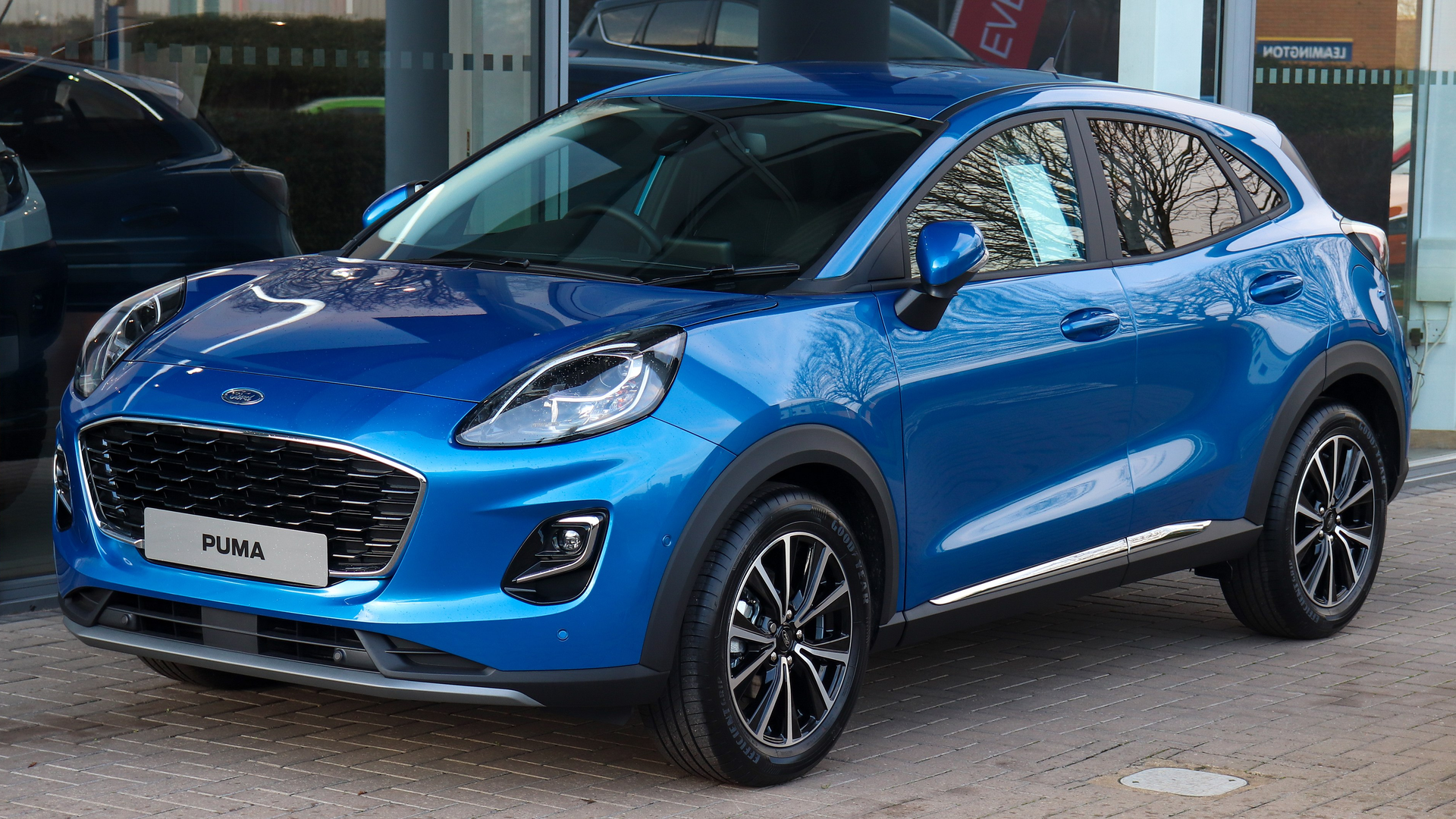
The Cat with Nine Lives
Few cars illustrate the shift in automotive trends better than the Ford Puma. In the late 1990s, the Puma was a sleek, low-slung coupe designed to tear up back roads. It was the affordable sports car for the PlayStation generation. Fast forward twenty years, and the Puma returnedânot as a coupe, but as a compact crossover. Enthusiasts initially groaned, but the new Puma surprised everyone by being arguably the best-handling small SUV on the market. Whether you are looking at the New Edge classic or the modern family hauler, the Puma badge guarantees one thing: a chassis that loves corners.
When you browse the Puma listings on Hugegarage, you are seeing two interpretations of the same philosophy: taking a sensible Ford Fiesta platform and injecting it with style and adrenaline.
The Steve McQueen Connection: The original Puma is famous for its launch commercial, which digitally inserted the car into the classic film Bullitt, making it look like Steve McQueen was driving a Ford Puma through the streets of San Francisco. It remains one of the coolest car ads ever made.
Generation 1: The Yamaha Coupe (1997â2001)
The original Puma was a masterpiece of the New Edge design language. It looked like a pouncing cat, with almond-shaped headlights and muscular haunches. Under the skin, it was based on the Mark 4 Fiesta, but with a wider track, stiffer suspension, and a magical engine.
The 1.7L VCT Engine
This is the jewel in the crown. Ford co-developed the 1.7L Zetec-SE engine with Yamaha.
The Tech: It featured Variable Cam Timing (VCT) and Nikasil-plated cylinder liners (a technology usually reserved for Porsches and BMWs).
The Specs: 123 HP. It revved eagerly to the redline and had a distinct, raspy exhaust note. Combined with a slick close-ratio gearbox, it made the lightweight Puma a joy to drive.
The Ford Racing Puma (FRP)
The holy grail. Only 500 were built. The Racing Puma featured wider aluminum bodywork, Sparco racing seats, Alcon 4-pot brakes, and an engine tuned to 153 HP. It is a serious collector's item today.
Generation 2: The Agile Crossover (2019âPresent)
After an 18-year hiatus, the Puma name returned. It sits between the EcoSport and the Kuga (Escape) in the lineup. While taller, it retains the frog-eye headlights and athletic stance of the original.
The MegaBox: The defining feature of the new Puma is the MegaBox in the trunk. It is an 80-liter deep storage bin with a drain plug at the bottom. You can store muddy boots, wet wetsuits, or tall plants, and then hose it out.
The Puma ST
Ford couldn't resist making a hot version. The Puma ST uses the mechanicals from the Fiesta ST:
- Engine: 1.5L Turbo 3-Cylinder (197 HP).
- Dynamics: Available limited-slip differential (LSD) and patented force vectoring springs. It lifts a rear wheel in corners just like a hot hatch.
Common Issues Maintenance
1. Rust (Gen 1)
The original Puma has a fatal flaw: the rear wheel arches. They are covered in a carpet-like liner that traps moisture against the metal. Almost every unrestored Gen 1 Puma has bubbling paint or holes in the rear quarters. Repair requires cutting out the metal and welding in new panels.
2. Oil Consumption (Gen 1 1.7L)
The Yamaha engine is robust, but if the Nikasil lining is damaged (due to low quality fuel or overheating), it will consume oil rapidly. It is impossible to re-bore the block; the engine must be replaced.
3. Mild Hybrid Battery (Gen 2)
The modern Puma uses a 48-volt mild-hybrid system (mHEV). While generally reliable, complex electrical issues can arise with the lithium-ion battery management system.
Conclusion: The Driver's Choice
The Ford Puma, in both its forms, proves that small cars don't have to be boring appliances. The 1997 coupe is a modern classic that offers a pure, analog driving experience for a budget price. The 2019+ crossover is the perfect compromise for the enthusiast who has grown up and needs to carry a stroller but still wants to smile on a B-road. Explore the specs below.