
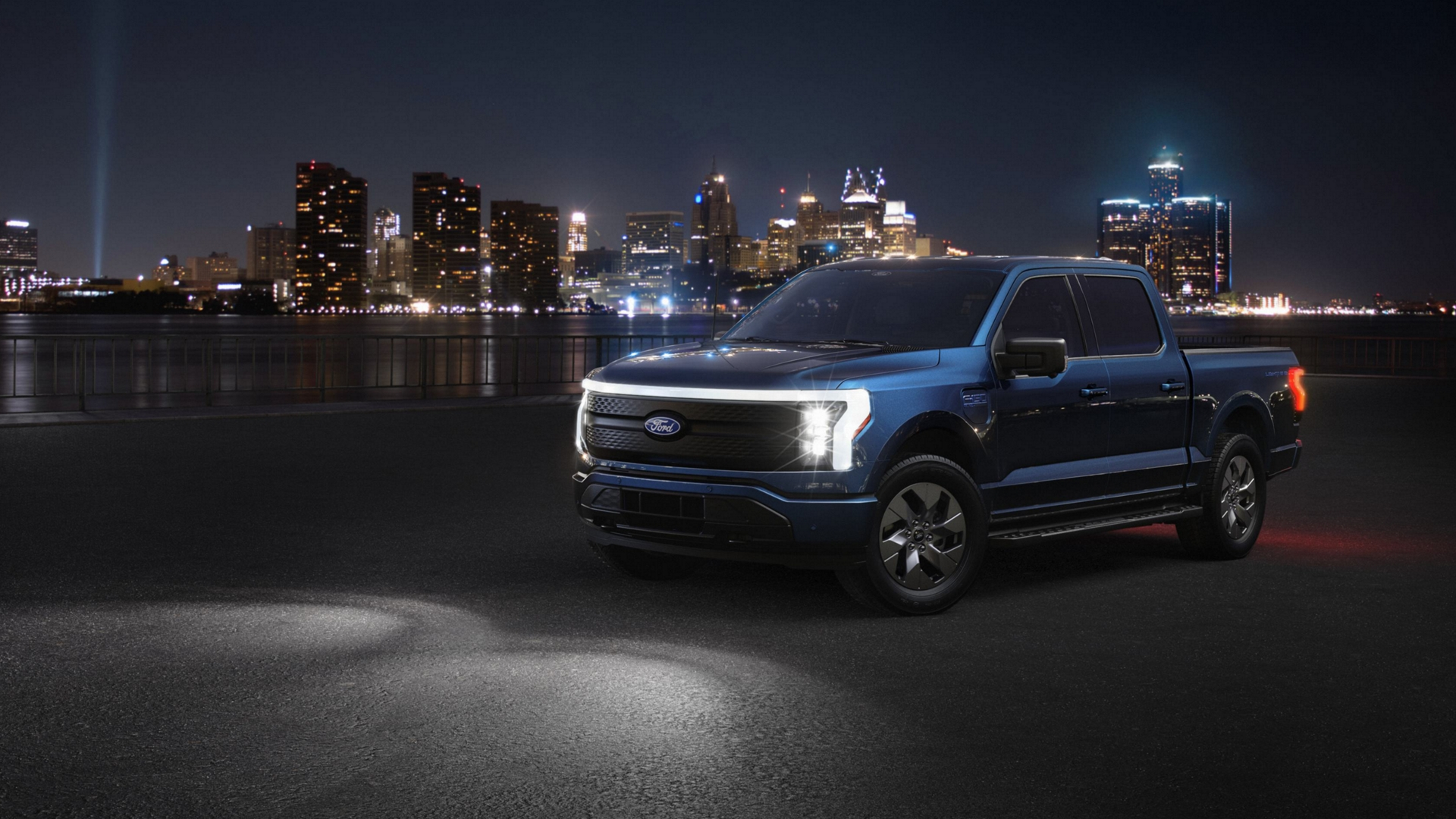
The Tipping Point of Electrification
For decades, the electric vehicle (EV) was seen as a coastal curiosityâa compact car for commuters in California. The Ford F-150 Lightning shattered that perception the moment it debuted. It is not a spaceship-shaped science experiment; it looks like an F-150, works like an F-150, and shares the bed dimensions of an F-150. Yet, underneath the familiar aluminum skin lies an engineering marvel that outperforms its gas-powered siblings in almost every metric.
When you browse the F-150 Lightning listings on Hugegarage, you are witnessing a historic pivot in the automotive industry. This truck was designed to convince the most skeptical buyerâthe American contractor, the rancher, the towing enthusiastâthat electricity is superior to gasoline. It offers instant torque that no V8 can match, a ride quality reminiscent of a luxury sedan, and utility features like the Mega Power Frunk that are impossible with an internal combustion engine.
The Legacy of the Name: The Lightning badge wasn't always electric. In the 1990s and early 2000s, the SVT F-150 Lightning was a high-performance street truck powered by a supercharged V8. While the fuel source has changed, the philosophy of shocking performance remains. The new electric Lightning hits 0-60 MPH in under 4 seconds, making it faster than the original SVT models ever dreamed of being.
Engineering the Electric Beast
Unlike the standard F-150, which rides on a traditional ladder frame designed for engines and transmissions, the Lightning uses a heavily modified frame to cradle the massive battery pack between the rails.
The Suspension Revolution: IRS
To fit the rear electric motor, Ford had to ditch the solid rear axle that has defined pickup trucks for a century. The Lightning features Independent Rear Suspension (IRS) with coil springs.
The Result: The ride quality is transformative. The Lightning does not shudder over bumps like a standard empty truck. It feels planted, composed, and surprisingly agile for a 6,500-lb vehicle.
The Powertrain: Dual Motor Standard
Every F-150 Lightning is 4x4. There is no rear-wheel-drive option. It uses two inboard permanent magnet motorsâone at the front axle, one at the rear.
- Standard Range Battery (98 kWh)
- Output: 452 HP / 775 lb-ft Torque.
EPA Range: ~240 miles.
Best For: Local contractors, fleet use, and owners who charge at home daily and rarely tow long distances. - Extended Range Battery (131 kWh)
- Output: 580 HP / 775 lb-ft Torque.
EPA Range: ~320 miles.
Best For: Road trippers, towing, and those living in cold climates where range drops in winter.
The Killer Feature: Mega Power Frunk
Because there is no engine, the space under the hood is now a massive, lockable, water-resistant trunk.
Capacity: 14.1 cubic feet (400 liters) / 400 lbs weight limit.
It is large enough to hold two sets of golf clubs or a week's worth of groceries. It also features four 120V outlets and USB ports, effectively turning the front of the truck into a mobile workstation. For tailgating, it has a drain plug, meaning you can fill it with ice and drinks.
Pro Power Onboard: The Mobile Power Plant
The Lightning is essentially a massive battery on wheels. Ford leverages this with Pro Power Onboard.
Standard: 2.4 kW of power (enough for power tools).
Optional: 9.6 kW of power.
This system provides a 240V outlet in the bed (like a dryer outlet). You can run a welder, a jackhammer, or even charge another stranded EV. During a power outage, the Ford Intelligent Backup Power system allows the truck to back-feed electricity into your home, keeping the lights, fridge, and HVAC running for up to 3 days (or 10 days with rationing).
Towing with Electrons: The Reality
Towing is the most controversial topic for electric trucks.
The Good: The Lightning tows better than a gas truck. The instant torque means you don't feel the trailer weight accelerating. The heavy battery low in the chassis provides incredible stability against wind sway.
The Bad: Aerodynamics. Towing a large, boxy travel trailer destroys range. Expect your range to be cut in half while towing.
Hugegarage Advice: If you tow a boat to the local lake (30 miles away), the Lightning is perfect. If you plan to tow a camper across the country, stick to the PowerBoost Hybrid or Super Duty. The current charging infrastructure makes long-distance towing stressful.
Charging 101
Living with a Lightning requires understanding charging speeds.
- Level 1 (120V Household Outlet): Too slow. It adds about 2 miles of range per hour. Emergency use only.
- Level 2 (240V Home Charger): Mandatory for ownership. The Ford Charge Station Pro (included with Extended Range models) can charge the truck from 15-100% overnight (approx. 8 hours).
- DC Fast Charging (Public Stations): The Lightning can charge at speeds up to 150-170 kW. This adds about 54 miles of range in 10 minutes, or charges from 15-80% in about 41 minutes.
Technology: SYNC 4A and BlueCruise
The interior is dominated by a 15.5-inch Portrait Touchscreen (on Lariat and Platinum trims). It features a physical volume knob bonded to the glass (a nice touch).
BlueCruise: This is Ford's hands-free highway driving assistant. On pre-mapped Blue Zones (over 130,000 miles of North American highways), the truck can steer, brake, and accelerate itself while monitoring the driver's eyes to ensure attention. It makes long highway slogs significantly less fatiguing.
Buyer's Guide: Trim Levels Decoded
Choosing the right Lightning is tricky due to price jumps.
1. Pro (The Workhorse)
Originally priced incredibly low, the Pro trim features vinyl seats, smaller screens, and the Standard Range battery (Extended Range is fleet-only). It is the best value if you can find one, offering all the utility without the luxury fluff.
2. XLT (The Sweet Spot)
Adds cloth seats, the 360-degree camera, and running boards. It opens up the option for the Extended Range battery (a pricey upgrade). Most private buyers start here.
3. Lariat (The Tech Showcase)
Leather, the big 15.5-inch screen, ventilated seats, and the twin-panel moonroof. This is the luxury sweet spot.
4. Platinum (The Flagship)
Standard Extended Range battery, Nirvana leather, massaging seats, and 22-inch wheels. Be warned: the 22-inch wheels and luxury weight reduce the payload capacity and slightly hurt the range.
Maintenance: Goodbye Oil Changes
The maintenance schedule for a Lightning is laughably simple compared to a gas truck.
No: Oil changes, transmission fluid flushes, spark plugs, timing belts, or muffler repairs.
Yes: Tire rotations (EVs are heavy and eat tires), windshield washer fluid, and cabin air filters. Brake pads last significantly longer due to Regenerative Braking, which uses the motors to slow the truck and recharge the battery.
Conclusion: The Future is Here
The Ford F-150 Lightning is a triumph of normalization. It doesn't force you to learn a new way of driving; it just gives you a better truck. It is faster, quieter, smoother, and more versatile than any gas F-150 before it. While the towing range limitation is real for specific use cases, for 95% of truck owners who use their vehicle as a daily driver, family hauler, and weekend DIY machine, the Lightning is superior in every way. It is the truck that proved electric power isn't just for saving the planetâit's for getting the job done. Explore the specs below.